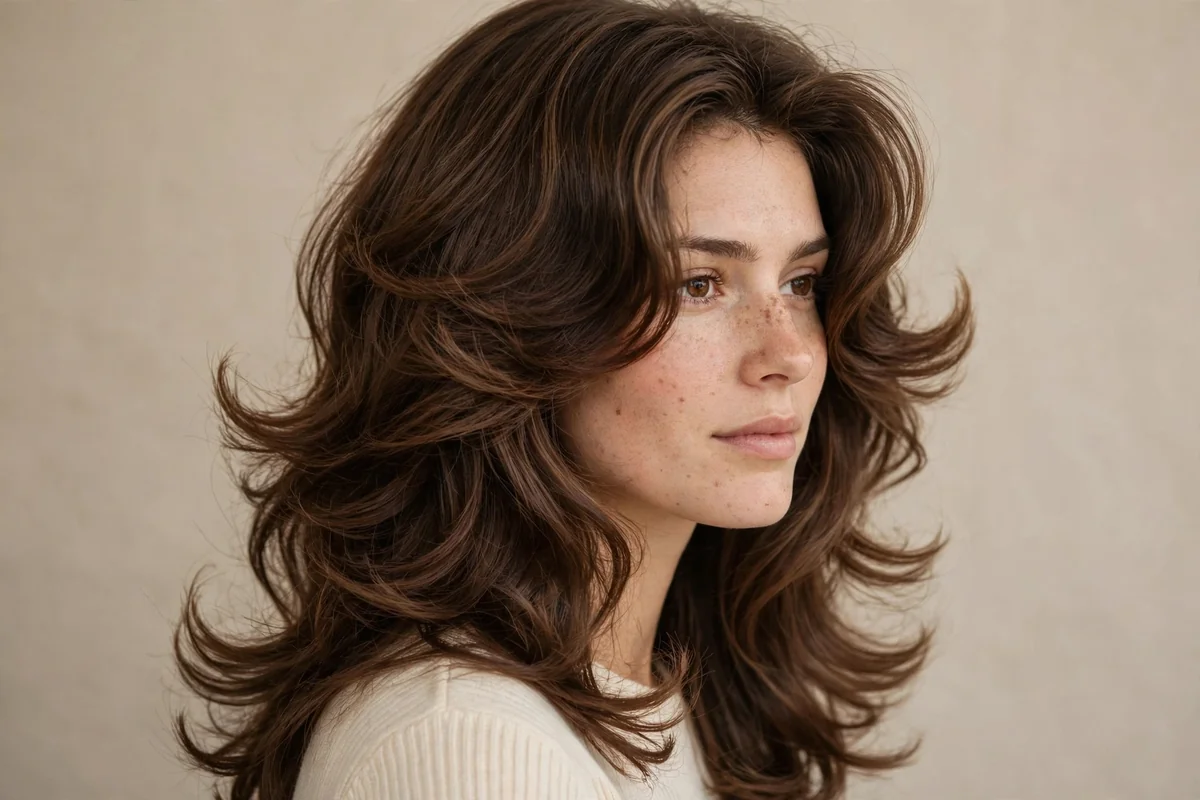
The butterfly haircut earns its name from the way it opens up: short, face-framing layers on top that flutter around the cheekbones, with longer layers underneath that keep the length intact. It is the cut that made the 90s supermodel blowout wearable again, and for fall 2026 it has settled into something more polished and less costume-like. The versions below range from long and bouncy to shoulder-grazing, from air-dried waves to a full round-brush blowout, so there is a take here for thick hair, fine hair, curls, and everything between. Each idea explains who it suits, how to ask for it, and how to style it at home.
1. The Classic Long Butterfly Cut
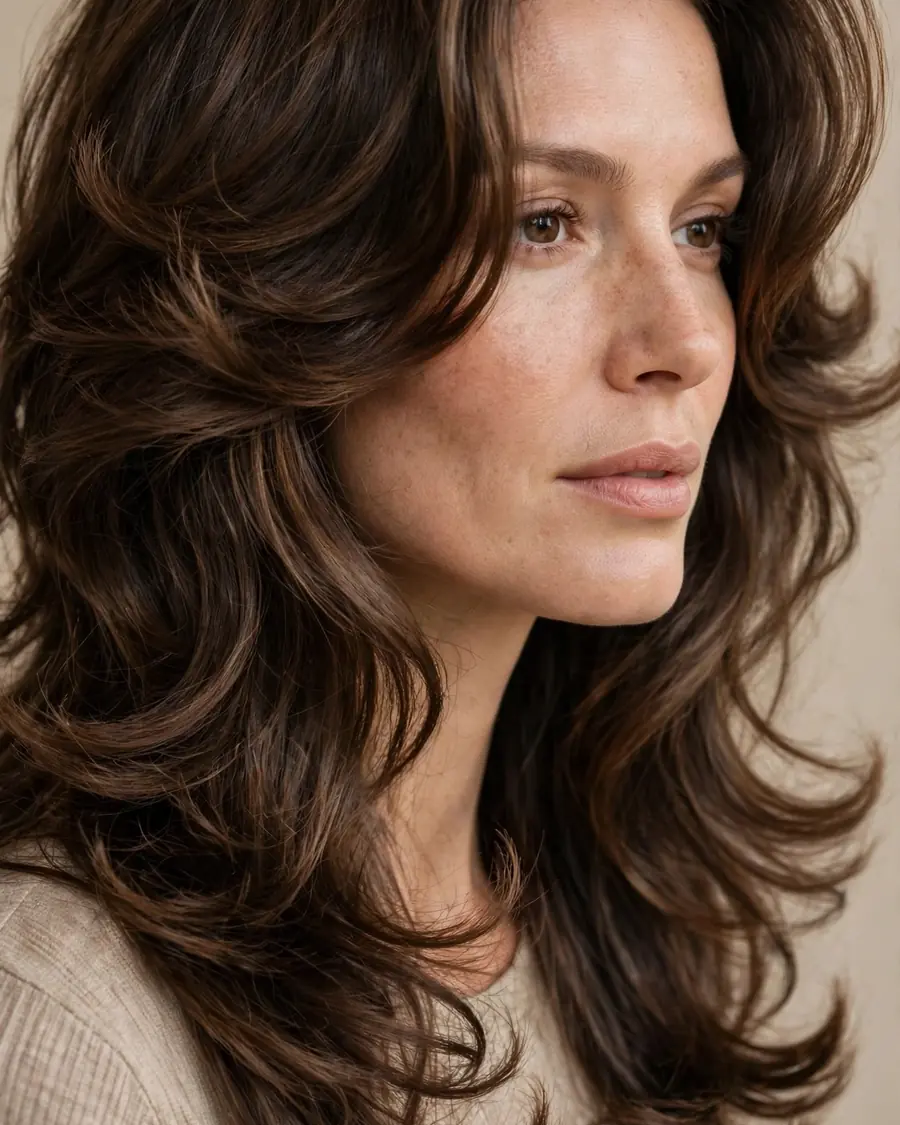
This is the original blueprint, and it still works because it solves a familiar problem: hair that feels heavy and flat but that you do not want to cut short. The stylist keeps the overall length past the shoulders, then cuts shorter layers through the crown and around the face, starting near the cheekbones and falling in soft steps. When the hair moves, the top layers lift away from the longer base, which is where the winged, butterfly effect comes from. Blow-dried with a large round brush, the ends flip outward just enough to look intentional rather than messy. It suits long hair that has started to hang in one solid sheet, and it gives fine-to-medium textures visible movement without sacrificing length. Ask your stylist to keep the shortest face-framing piece no higher than the cheekbone if you want the cut to grow out gracefully, and to blend the layers so no hard shelf appears when the hair is pulled back.
2. The Shoulder-Length Butterfly Bob

Cut the butterfly shape down to shoulder length and it becomes a bob with real personality. The top layers sit shorter and lighter, framing the face and adding lift at the crown, while the bottom layer ends in a clean line just at or above the shoulders. That combination keeps the bob from looking blunt or boxy, which is the usual complaint with one-length cuts. It works especially well for anyone growing out a shorter cut, since the layered top disguises awkward in-between stages. Compared with a straight bob, this version moves more when you turn your head, and it air-dries with a natural bend instead of falling flat. For more length options in this family, see these bob haircuts trending in fall 2026. Keep the ends lightly textured rather than razor-thinned, so the perimeter still reads as a bob and the layers stay the star. A centre or slightly off-centre part keeps the shape balanced on both sides.
3. Butterfly Layers with Curtain Bangs

Pairing butterfly layers with curtain bangs doubles down on face framing, but the two elements do different jobs. The bangs, parted in the middle and sweeping to each side, soften the forehead and draw attention to the eyes and cheekbones. The butterfly layers then take over below, adding width and movement through the mid-lengths. Together they create a continuous frame rather than two separate features, which is why the pairing photographs so well from the front. This is a strong choice for round or square face shapes, where a long, uninterrupted curtain of hair can widen the face. Keep the bangs long enough to tuck behind the ears on lazy days, and ask for the shortest bang piece to meet the top butterfly layer so the transition looks seamless. A quick round-brush pass each morning keeps the sweep open rather than falling flat across the forehead. For more fringe inspiration, browse these curtain bangs styles trending in fall 2026.
4. Wavy Butterfly Layers for Thick Hair
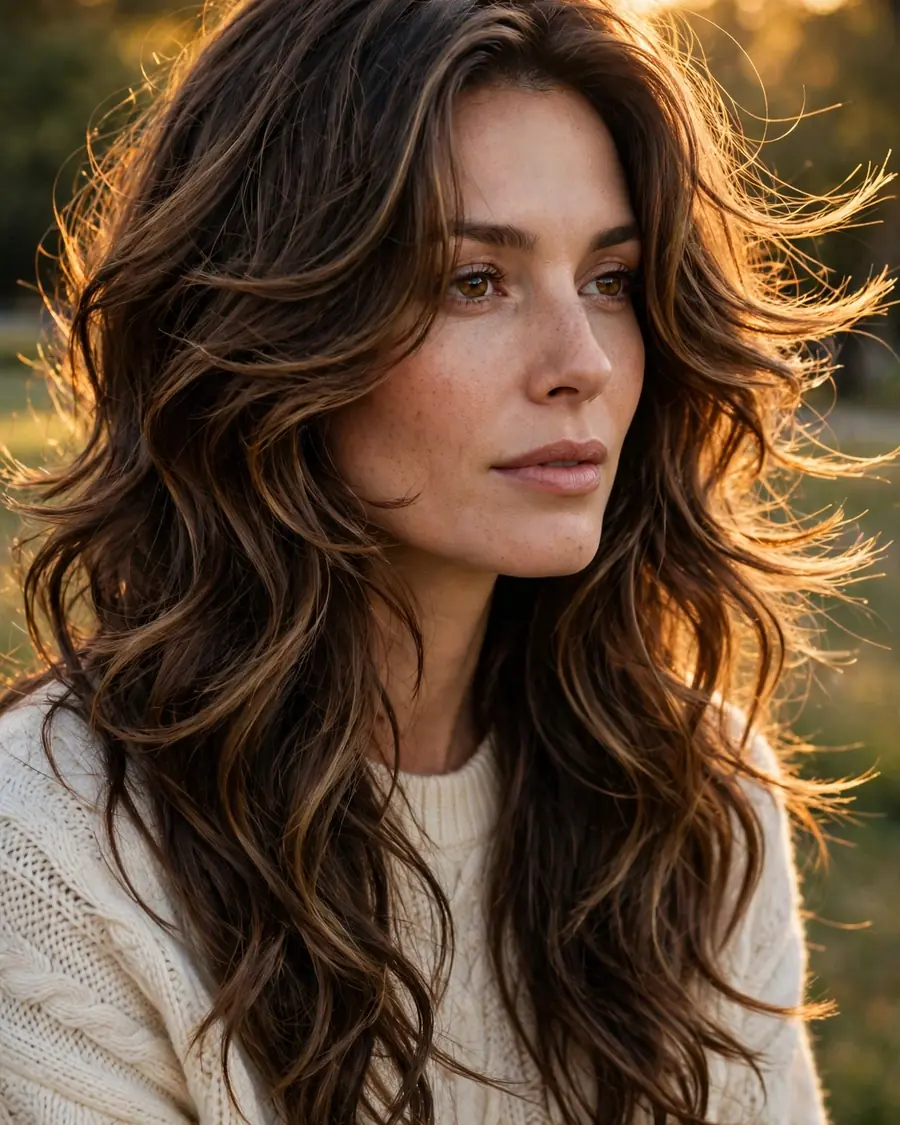
Thick hair is where the butterfly cut earns its keep. Without layers, dense hair collapses under its own weight and dries into a triangle shape. Here, shorter layers through the top remove bulk where it matters most, while the longer underneath layers keep the shape full rather than wispy. The result, worn wavy, is a cut that actually gets lighter as it dries, with waves stacking into each other instead of fighting for space. Use a diffuser on low heat and a light curl cream, such as Living Proof Curl Enhancer, to encourage the wave pattern without crunch. This version needs a stylist who cuts thick hair dry or at least checks the layers as they fall, since wet cuts can spring up shorter than expected. Ask for the layers to be point-cut rather than blunt-cut, which softens the edges and stops the shape from looking bulky. The payoff is wash-and-go hair that looks styled with almost no effort.
5. The Sleek 90s Blowout Butterfly
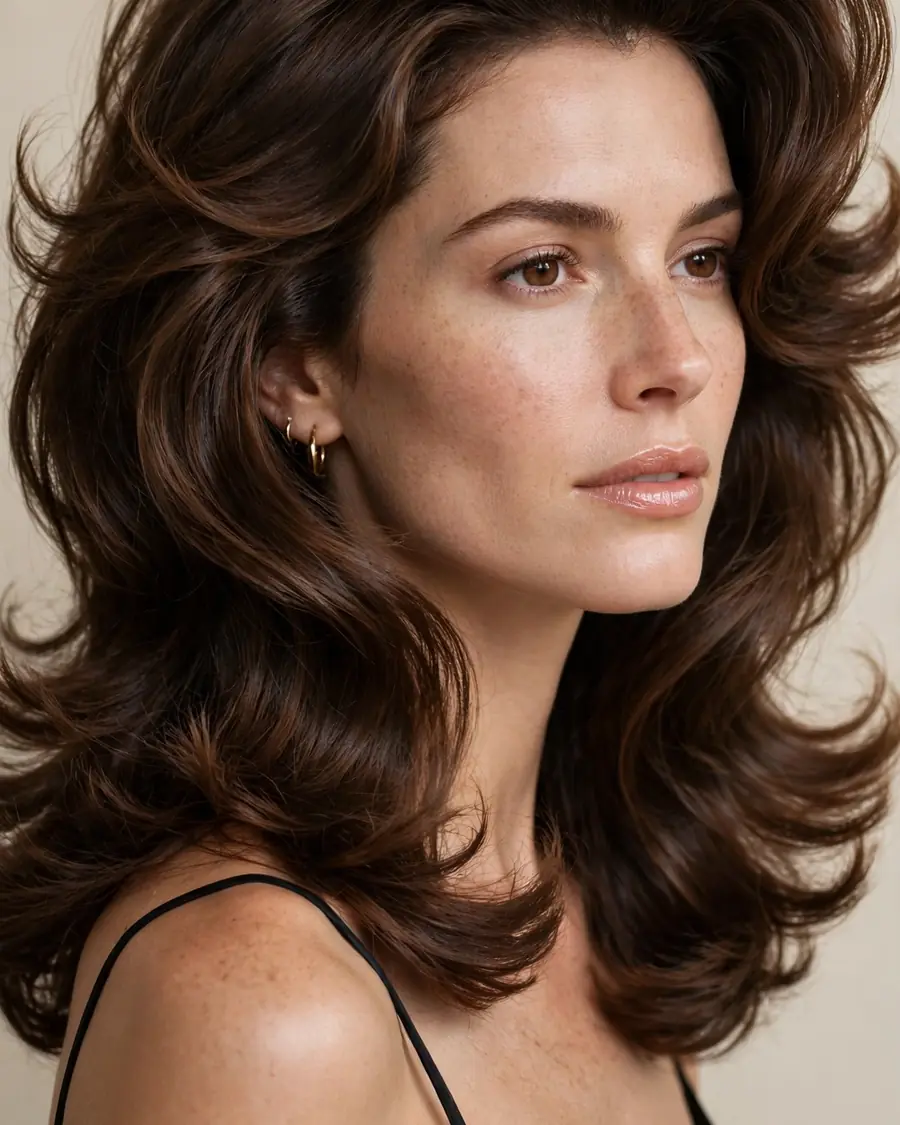
This is the salon-finish version, built for the round-brush blowout and the big, glossy flip that defined 90s hair. The layers are cut slightly longer and more graduated than in the classic version, so each section rolls under or outward cleanly when brushed. A tool like the Dyson Airwrap with its round-brush attachment makes the shape easier at home, because it dries and shapes in one pass without the arm ache of a dryer plus brush. Finish with a drop of shine serum and a flexible hold spray, such as Color Wow Style on Steroids, to keep the flip without stiffness. The look suits straight to slightly wavy hair and occasions where polish matters, from office days to evenings out. The trade-off is maintenance: this version needs heat styling to hold its shape, so protect the ends with a heat protectant and keep blow-drying to two or three times a week where possible.
6. The Curly Butterfly Cut
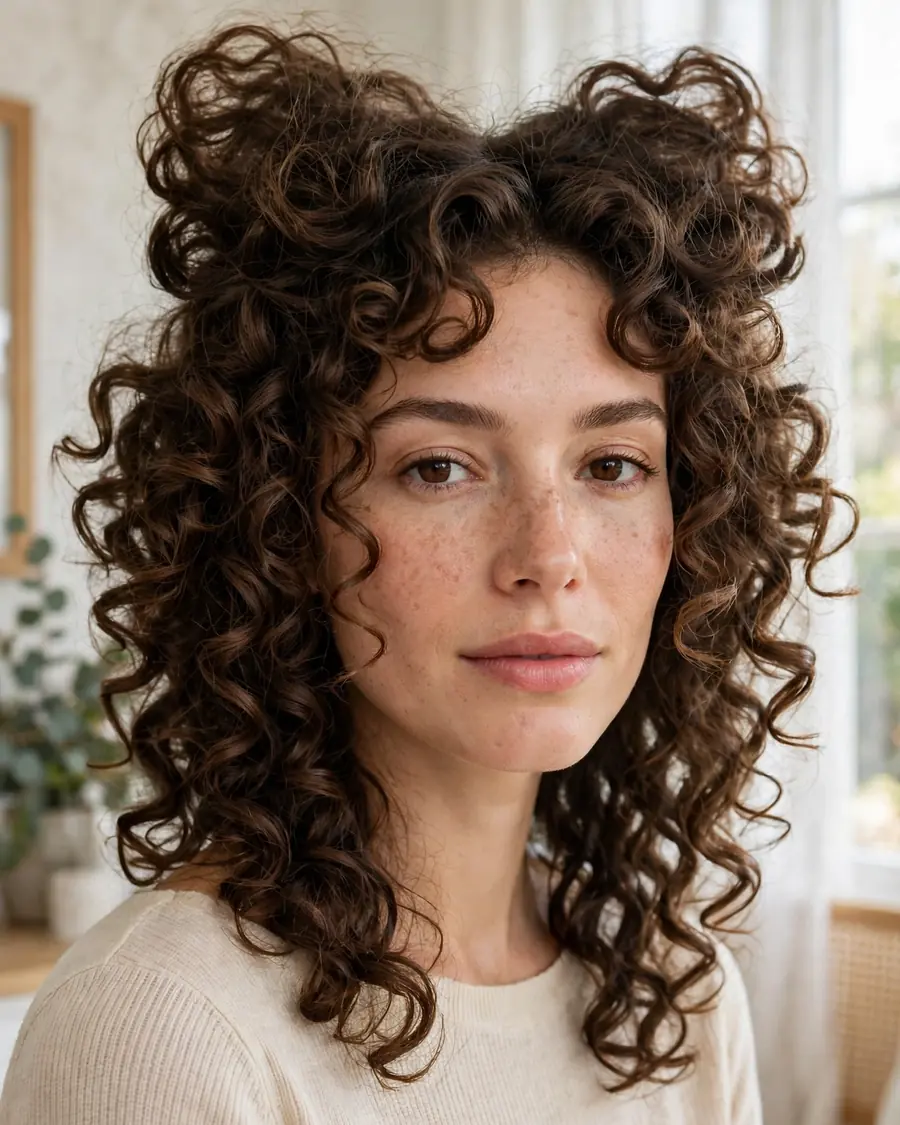
Curls and the butterfly shape are a natural match once the layering is adjusted for shrinkage. The stylist cuts the hair in its natural curl pattern, placing shorter layers at the crown to create lift and longer layers below to keep the silhouette from turning into a triangle. When the curls fall, they form a rounded, winged shape with volume on top and definition through the ends, rather than one heavy mass. This version needs more frequent trims than straight versions, roughly every eight to ten weeks, because grown-out curl layers lose their shape faster. Style with a leave-in conditioner and a curl gel scrunched in while the hair is soaking wet, then diffuse or air-dry without touching the curls as they set. Touching them mid-dry breaks the curl clumps and creates frizz. The result is a cut that celebrates texture instead of fighting it, and it grows out into a soft shag rather than an awkward shelf.
7. Butterfly Layers with Lived-In Balayage
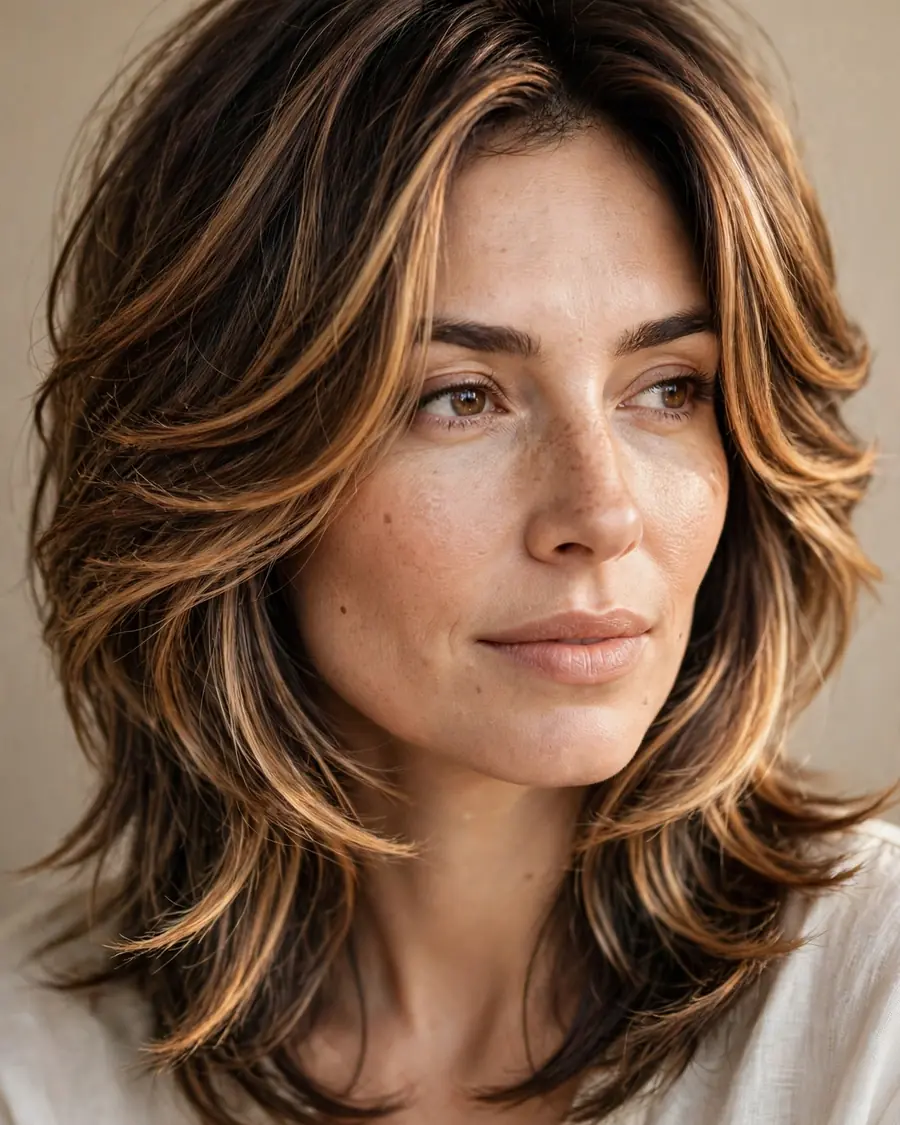
Color changes how a butterfly cut reads, and lived-in balayage is the pairing that shows the layers off best. Hand-painted highlights through the mid-lengths and ends catch the light as the layers move, so each step of the cut becomes visible instead of blending into one dark mass. Keep the root area close to your natural color and let the lightness build gradually toward the ends; that grow-out is forgiving and stretches salon visits to three or four months. Ask the colorist to place lighter pieces specifically on the face-framing layers, since those are the sections that frame the face in photos and in real life. This version suits anyone who wants dimension without the upkeep of full highlights, and it works on brown, dark blonde, and black bases alike. Maintain the tone at home with a color-safe shampoo and a weekly mask, such as Olaplex No. 8, to keep the lightened ends soft.
8. The Fine-Hair Butterfly

Fine hair needs the opposite approach from thick hair: fewer, more deliberate layers and a blunt-ish perimeter to keep the ends looking full. In this version the top layers are kept longer, starting closer to the jaw than the cheekbone, so the cut adds movement without removing the density fine hair cannot spare. The bottom layer stays relatively solid, which makes the ends look thicker, while the face-framing pieces give the illusion of volume around the face. A volumizing mousse applied at the roots before blow-drying, plus drying with the head flipped upside down for the first minute, makes the biggest difference at home. Avoid heavy oils and thick creams, which flatten fine hair fast. This is the version to choose if past layered cuts left your ends looking thin, because it proves layers and fullness are not mutually exclusive when the cut is planned around density. Show your stylist a photo of the exact end thickness you want to keep.
9. The Butterfly Wolf-Cut Hybrid

For readers who like the butterfly shape but want more edge, this hybrid borrows the wolf cut’s choppier texture and shorter crown. The top is cut shorter and more disconnected, giving a piecey, lived-in crown, while the butterfly’s longer bottom layers keep the overall length and stop the cut from reading as a full shag. The styling is deliberately less polished: a texturizing spray and rough drying with fingers, rather than a round brush, bring out the separation between layers. It suits wavy and straight hair with some natural texture, and it pairs well with an undone, off-duty wardrobe. The trade-off is that the choppier crown grows out faster and needs shaping every six to eight weeks. If your workplace is conservative, ask for a softer version of the crown texture so the cut still reads as a butterfly first and a wolf cut second. A matte texture paste on the crown pieces adds separation without shine or stiffness.
10. The Medium Butterfly with Flipped Ends

The final version sits at collarbone length and leans hard into the flip. The layers are cut so the ends kick outward naturally, especially when blow-dried with a round brush rolled away from the face. It is shorter than the classic version, which makes it easier to style in the morning and lighter to wear under coats and scarves in fall. The flipped ends also give the cut a retro finish without requiring a full 90s blowout, so it works on days when you only have ten minutes. Keep the flip subtle rather than extreme, with the ends turning out just enough to show the layering, and use a light-hold spray to stop the shape collapsing by midday. This is the safest first butterfly cut for anyone unsure about committing to long layers, since it grows out into a neat medium cut either way. It also suits hair that is still recovering from heat or colour damage, because less length means less weight pulling on fragile ends.
How to Ask Your Stylist for a Butterfly Haircut
Bring photos, but bring the right ones: save three images that show the front, the side, and the back of the cut you want, and point out the length you want to keep, not just the layers you like. Use the words face-framing layers and longer layers underneath, and name the shortest point you will accept, such as cheekbone or jaw, so the stylist does not cut the top shorter than you pictured. Explain how you actually style your hair day to day, because a cut designed for a round-brush blowout behaves differently when air-dried. If your hair is curly or thick, ask whether the stylist will cut it dry or check the layers as they fall, since both textures change shape as they dry. Finally, agree on a maintenance plan before you leave: most butterfly cuts need reshaping every eight to twelve weeks, sooner for the choppier hybrid version.
Pro Tips for Styling a Butterfly Haircut at Home
Start with the right foundation: a lightweight volumizing mousse at the roots and a heat protectant through the lengths covers most styling goals without weighing the layers down. When blow-drying, work in sections and roll the brush away from the face for the face-framing pieces, which is what creates the open, winged shape. Let each section cool for a few seconds before you drop it, since cooled hair holds its bend far longer than hot hair. On second-day hair, a dry shampoo at the roots plus a quick pass with a round brush or a hot-air styler revives the layers without a full wash. Protect the ends between salon visits with a weekly mask and regular trims, and keep heavy oils away from the crown, where they flatten the lift the cut was designed to create.
Frequently Asked Questions
Does a butterfly haircut work on short hair?
It works best at shoulder length or longer, because the cut needs a longer underneath layer to contrast with the shorter top layers. On very short hair the two lengths merge and the shape reads as a regular layered bob instead.
Will a butterfly haircut make thin hair look thinner?
Not if it is cut for fine hair, as in idea 8 above. Longer top layers, a solid perimeter, and mousse at the roots keep the ends looking full, while the face-framing pieces add the illusion of volume where it matters most.
How often should I get a butterfly haircut trimmed?
Every eight to twelve weeks for most versions, and every six to eight weeks for the choppier wolf-cut hybrid. Waiting longer lets the top layers grow into the bottom layer, which erases the winged shape the cut is named for.
Can I get a butterfly haircut without heat styling?
Yes, especially the wavy and curly versions, which are designed to air-dry. Straight versions still benefit from a quick blow-dry for the flip, but a hot-air styler or even large velcro rollers on damp hair can create the same bend with less heat.
Final Thoughts
The butterfly haircut has lasted because it is a compromise that does not feel like one: the movement and lift of a short layered cut, with the length and versatility of long hair. Pick the version that matches how you actually style your hair, not just the photo you liked most, and be specific with your stylist about the shortest layer you will accept. Save the looks that feel closest to your texture and lifestyle, and let the cut adapt to you rather than the other way around.