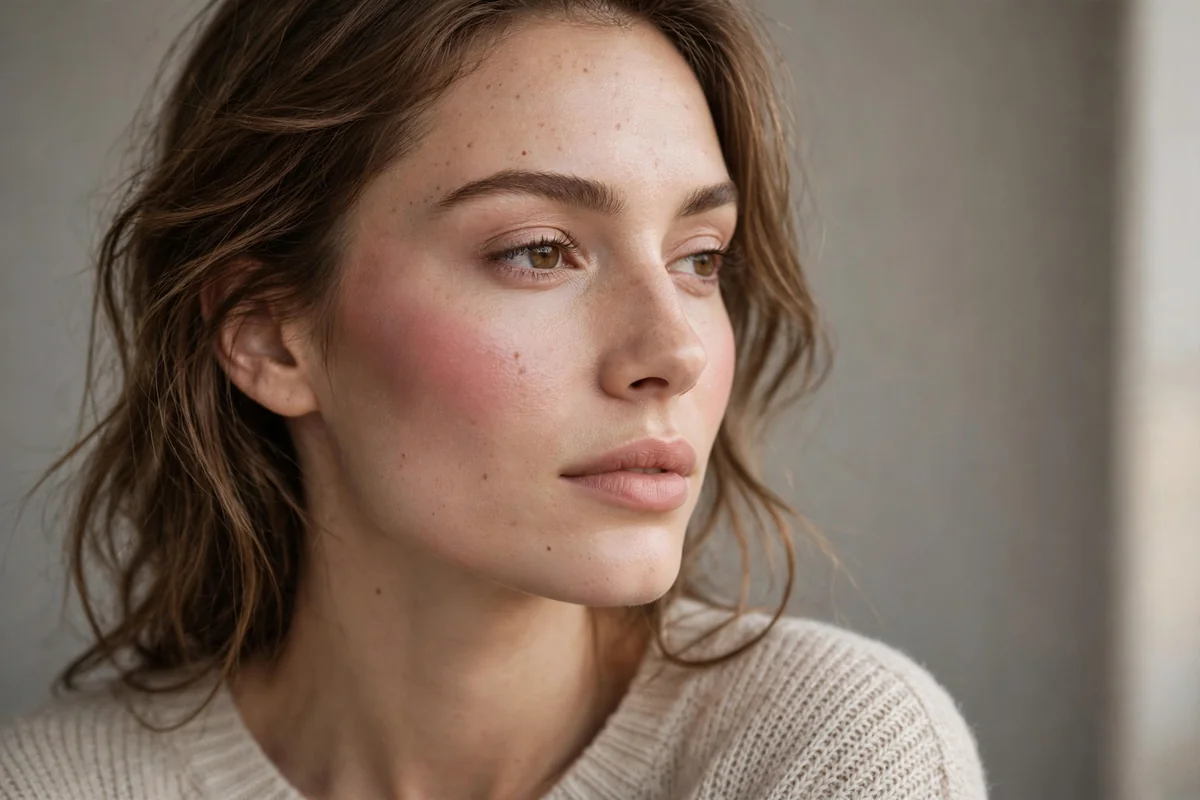
Dusty rose blush is fall’s quiet answer to loud color. It is soft, desaturated, and greyed at the edges, which is exactly why it reads as polished rather than playful. On the cheek it looks like a natural flush that has settled in, not a stripe of color sitting on top of skin. This collection stays firmly in that muted rose family, working through matte, satin, cream, and powder finishes so you can find the version that fits your skin tone, your routine, and the occasion. Some looks are sheer enough for a school run, others are built up for dinner, but none of them shout.
1. Soft Matte Dusty Rose Everyday Flush
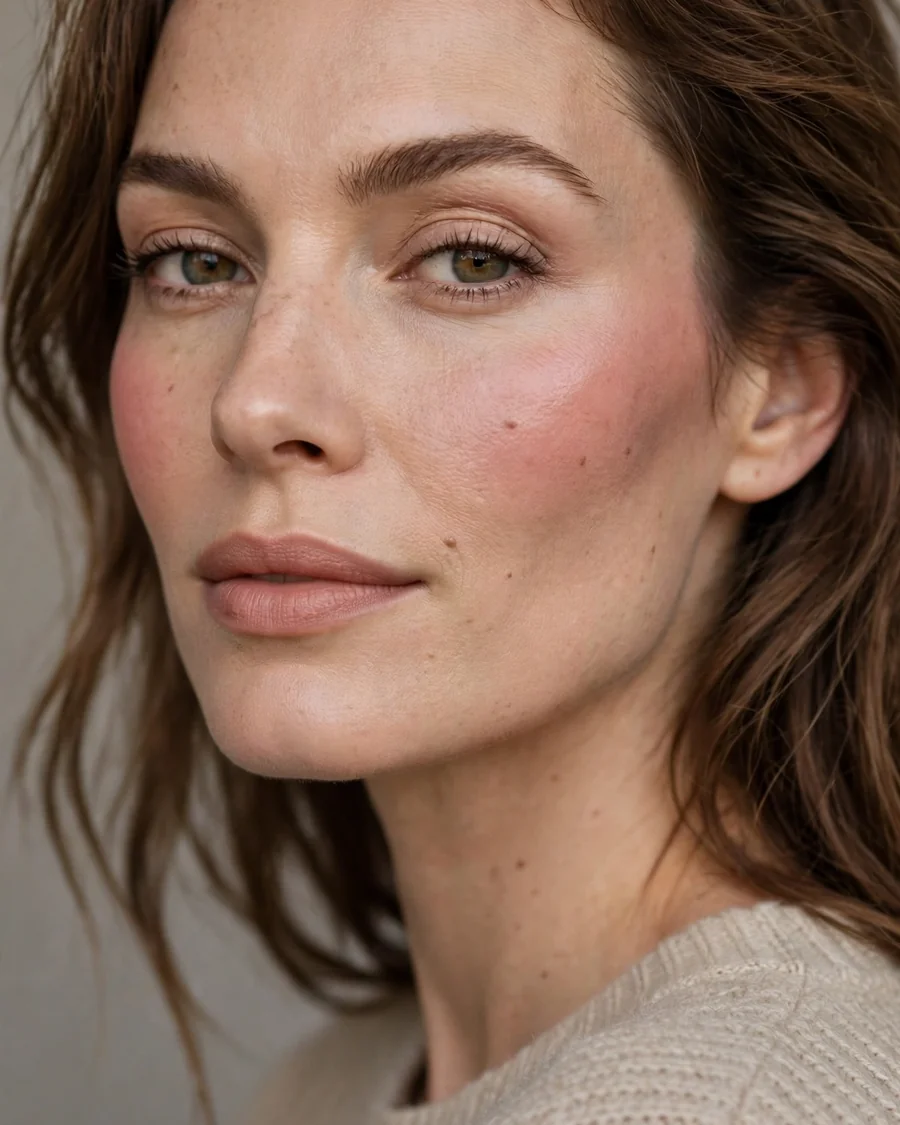
A matte dusty rose wash is the easiest place to start, and it is the look most people will reach for daily. Use a powder blush in a muted rose with almost no shimmer, applied to the apples of the cheeks and blended upward toward the temples. The matte finish keeps the color from catching light in the wrong places, so the cheek reads as naturally flushed rather than highlighted. It works especially well over a satin or natural-finish foundation, where a dewy blush might slide by midday. Keep the rest of the face simple: groomed brows, a coat of mascara, and a lip color close to your natural tone. The point is balance. If the blush is the only deliberate color on the face, it can be a little stronger without looking overdone. For a long-wearing version, set the apples lightly with translucent powder after blending, then check the color in daylight before leaving the house.
2. Dusty Rose Cream Blush and Satin Skin
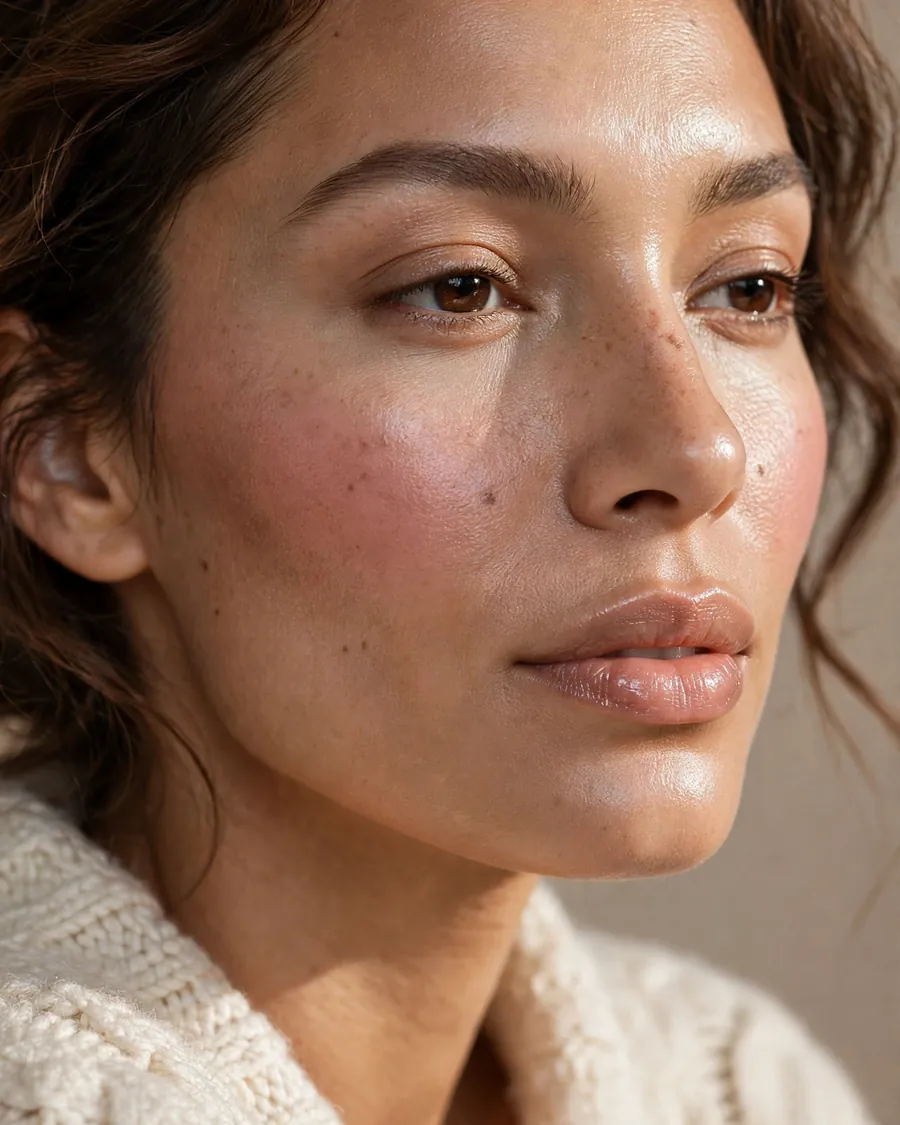
Cream blush gives dusty rose a completely different character. Pressed into the skin with fingertips or a damp sponge, it melts in and leaves a satin, skin-like finish that powder cannot quite copy. This is the version to choose when your skin feels dry in fall weather, or when you want that soft, diffused look sometimes described as cloud skin, without turning the whole face matte or shiny. Apply cream blush before powder, or skip powder over the cheeks entirely, and build in thin layers. One sheer layer reads as a healthy flush; a second layer, pressed only on the apples, gives more presence for evening. Because cream formulas can move, set the T-zone only and leave the cheeks untouched. Pair it with a tinted moisturizer rather than full-coverage foundation so the blush still looks like it belongs to the skin. A stippling brush gives the most even finish, adding gentle depth without streaks.
3. Dusty Rose with Taupe Eyeshadow for Work

Taupe eyeshadow and dusty rose blush make a calm, office-ready pair because neither color competes for attention. Sweep a matte taupe through the crease, keep the lid fairly bare, and add a thin line of brown liner close to the lashes. The eye stays defined but quiet, which lets the muted rose on the cheeks carry the warmth of the look. This combination suits video calls and office lighting, where bright color can look harsh on camera. Choose a blush one step deeper than your everyday shade if you wear glasses, since frames can soften color around the eyes and cheeks. Blend the blush slightly higher than usual, toward the cheekbone, so it does not disappear behind a frame. Finish with a satin rose-brown lipstick, blotted once, so the whole face stays in the same muted family from eyes to lips. A filled brow frames this restrained pairing without adding visual weight.
4. Dusty Rose Draping Along the Cheekbone

Draping is an old technique with a very current feel: blush does the work of contour. Instead of placing color only on the apples, sweep dusty rose from the cheekbone upward toward the temple, then soften the edge so no hard line remains. Because dusty rose is muted, it sculpts without the grey cast that a cool contour powder can leave, and it adds warmth at the same time. This suits oval and round faces particularly well, since the upward sweep lifts the eye. Use a fluffy brush and very little product at first; draping goes wrong when too much color lands in one spot. Blend, step back, and add a second whisper of color only where the cheekbone catches light. Skip bronzer here. The blush is already doing two jobs, and adding a third warm tone muddies the result. Wipe the brush between passes so the sweep stays soft without a visible border.
5. Dusty Rose Blush with a Mauve Lip
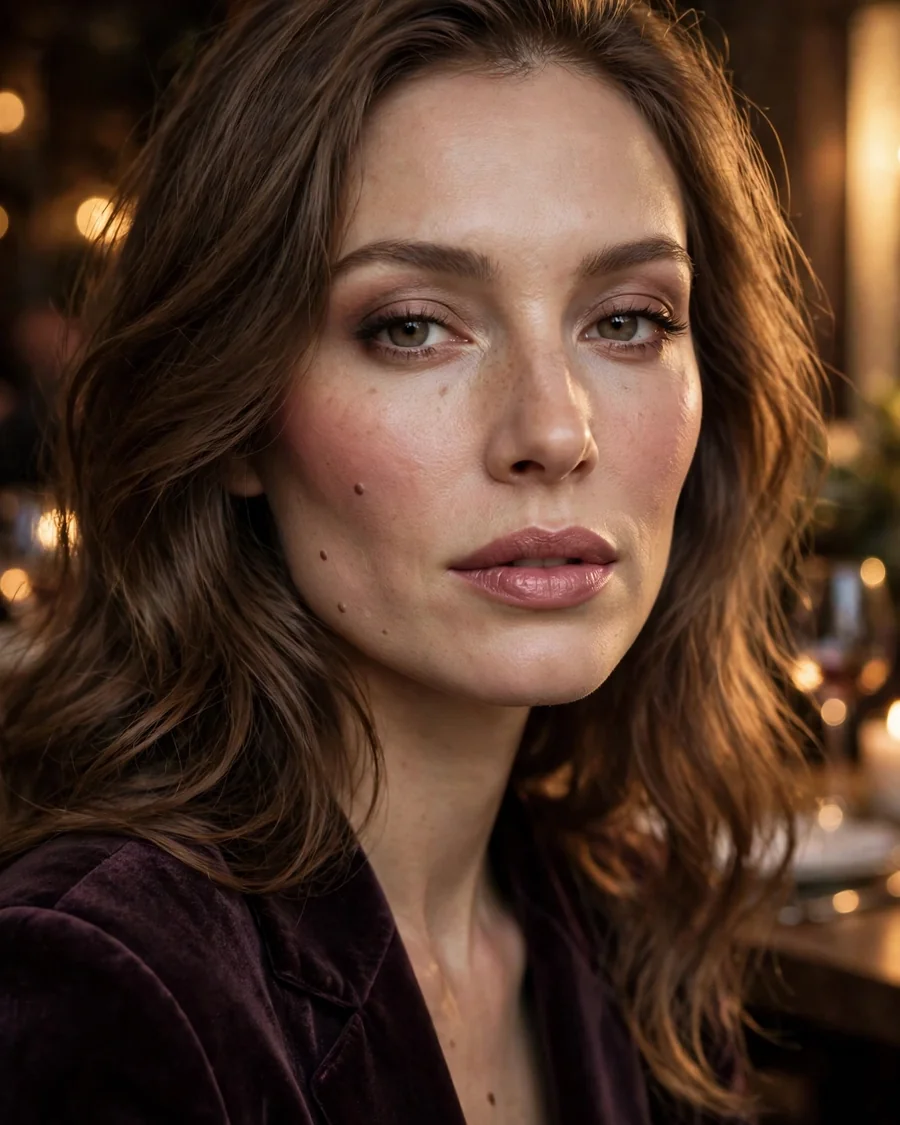
Pairing dusty rose cheeks with a mauve lip keeps the whole face in one muted family, and that restraint is what makes it look expensive. Choose a mauve that leans rose rather than purple, so it echoes the blush instead of fighting it. Apply the blush first, then hold the lipstick up beside your cheek in the mirror: the two should look related, not identical. A satin lipstick works best here, since a matte lip with matte cheeks can flatten the face, while a gloss can pull the look too casual. This pairing suits dinners, dates, and fall weddings, where you want color that photographs softly. If a bolder cheek color tempts you for evening, the vivid berry blush looks in our berry blush collection show how a stronger rose family shade changes the same face. For this look, though, keep both tones muted and let the harmony do the work.
6. Dusty Rose on Deep Skin Tones
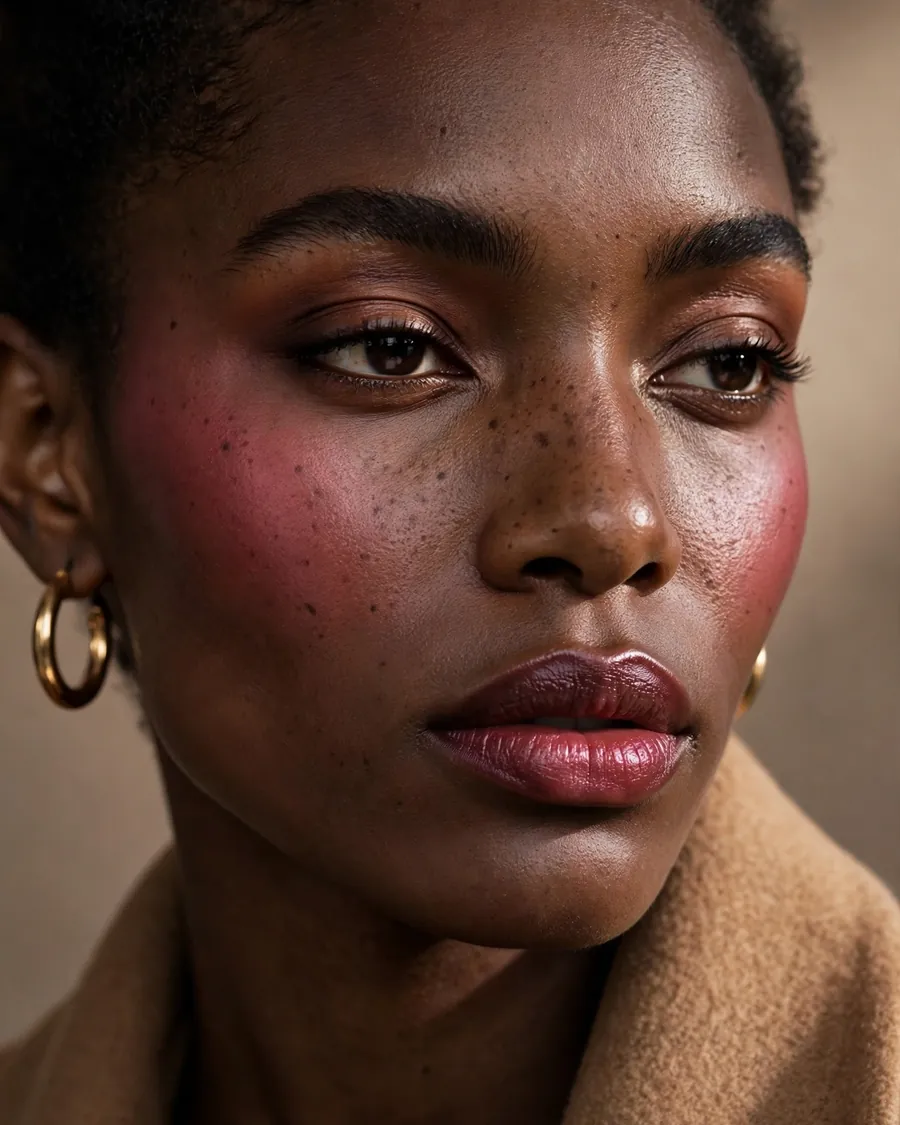
On deep skin, dusty rose needs to be richer and more pigmented to read at all, and that is a strength, not a problem. Look for a dusty rose with a warm, almost brick-rose undertone and a satin finish, applied generously to the apples and blended out. Sheer, pale rose powders can turn ashy here, so skip anything that looks chalky in the pan. A highly pigmented powder or cream from brands like NARS, Rare Beauty, or Hourglass will show up as a true muted rose rather than a grey film. Placement matters too: concentrate color where the cheek naturally rounds, then diffuse the edges with a clean brush so it melts rather than sits. Pair it with a deep rose lip liner under a satin lipstick, and keep eyeshadow in warm browns. The result is a flush that looks intentional, rich, and unmistakably rose. Test the shade on the jawline in daylight before committing.
7. Sheer Dusty Rose Wash for Fair Skin
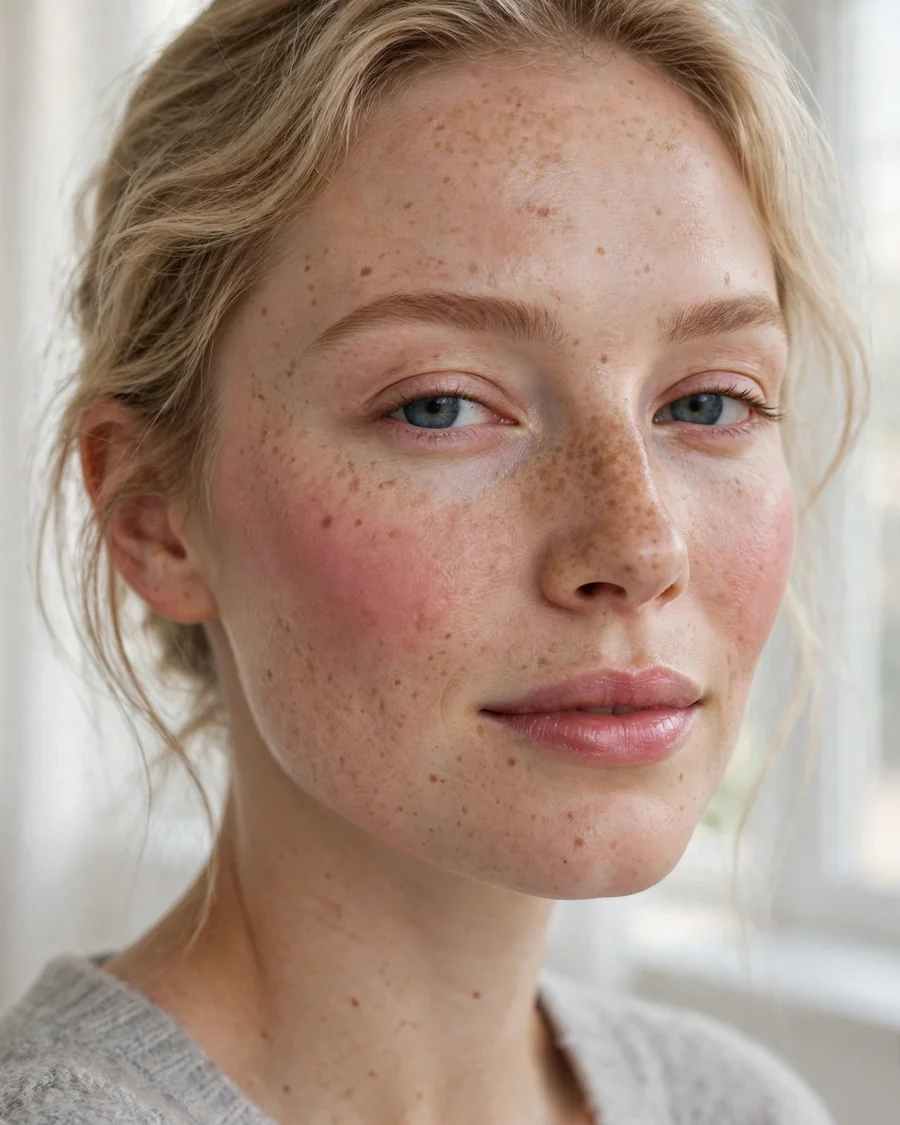
Fair skin shows blush quickly, so the goal here is a sheer wash rather than a defined shape. Tap a light dusty rose cream or a sheer powder onto the apples with a stippling brush, then blend until the edge disappears. The color should look like you have just come in from cool air, not like makeup. Avoid shades with strong brown or grey undertones, which can read as dullness on very fair skin; a soft, slightly pink-leaning dusty rose keeps the flush healthy. This look pairs well with minimal eye makeup and a tinted lip balm, and it is forgiving if you are new to blush, because a sheer layer is hard to overdo. If you add too much, press a clean sponge over the area instead of adding foundation on top, which only thickens the base. Check the result in natural light, since indoor lighting hides excess color.
8. Dusty Rose with Soft Brown Liner

Soft brown liner is the quiet partner dusty rose blush deserves. Black liner can make a muted cheek look washed out by contrast, while brown defines the eye without hardening it. Line the upper lashes with a soft brown pencil, smudge the edge with a small brush, and leave the lower lash line bare or touched with a trace of shadow. The eye gains shape, the cheek keeps its softness, and the face stays balanced. This is a useful everyday formula when you want to look finished but not made up, and it travels well: pencil, blush, and mascara fit in a small bag. For a slightly warmer variation, some people reach for terracotta blush makeup instead, but that shifts the face toward orange. Staying with dusty rose and brown keeps the temperature cool and muted, which is the whole appeal of this look. Curl lashes first so mascara opens the eye evenly.
9. Monochrome Dusty Rose Eyes, Cheeks, and Lips

A monochrome look uses one muted rose family across eyes, cheeks, and lips, and dusty rose is made for it because it never turns garish. Wash the same tone, or three closely related tones, over the lids, the cheeks, and the lips, varying only the finish: matte on the eyes, satin on the cheeks, and a soft cream on the lips. The repetition ties the face together and makes the look feel considered even when it took five minutes. The trick is to keep the eye wash sheer. A heavy rose lid with a heavy rose cheek tips from monochrome into costume. Use a cream blush as eyeshadow for the easiest match, then set the lid lightly if your eyeshadow creases. This works for fall events, photos, and any day you want a pulled-together face without deciding between three separate colors. Blend the lid wash upward so the color lifts the eye.
10. Dusty Rose Bridal Soft Focus

For a bride who wants to look like herself, only softer, dusty rose is a reliable choice. It photographs without competing with the dress, it flatters under both daylight and reception lighting, and it does not demand touch-ups every hour. The bridal version layers a cream dusty rose under a matching powder, which locks the color in place through tears, hugs, and dancing. Keep the finish satin rather than glittery, since shimmer can look patchy in photographs. Eyes stay in taupe and soft brown, lashes are defined but not dramatic, and the lip is a muted rose one shade deeper than the blush. If you love deeper fall color for a wedding guest look rather than the bride herself, our cranberry makeup looks offer that richer direction. For the bride, though, dusty rose keeps the focus on the face, not the makeup. A trial run a week earlier confirms the layered blush photographs evenly.
11. Buildable Dusty Rose for Evening

Evening does not require a different color, just more of the same one, built carefully. Start with your daytime dusty rose, then add a second layer pressed into the apples and a light sweep along the cheekbone. The added depth reads beautifully under restaurant and event lighting, where sheer daytime blush can disappear. Add definition with a soft brown smudge along the upper lashes and a second coat of mascara, and deepen the lip to a rose-brown satin. Avoid adding highlighter over the blush here; a satin blush already reflects enough light, and extra shimmer on top can look sweaty in photos. Instead, keep the rest of the skin matte and let the cheeks carry the glow. This buildable approach means one blush can take you from desk to dinner without starting over. Carry the blush and a small brush for a quick refresh before photographs, pressing color only where it has faded.
12. Cool-Toned Dusty Rose for Fall Layers
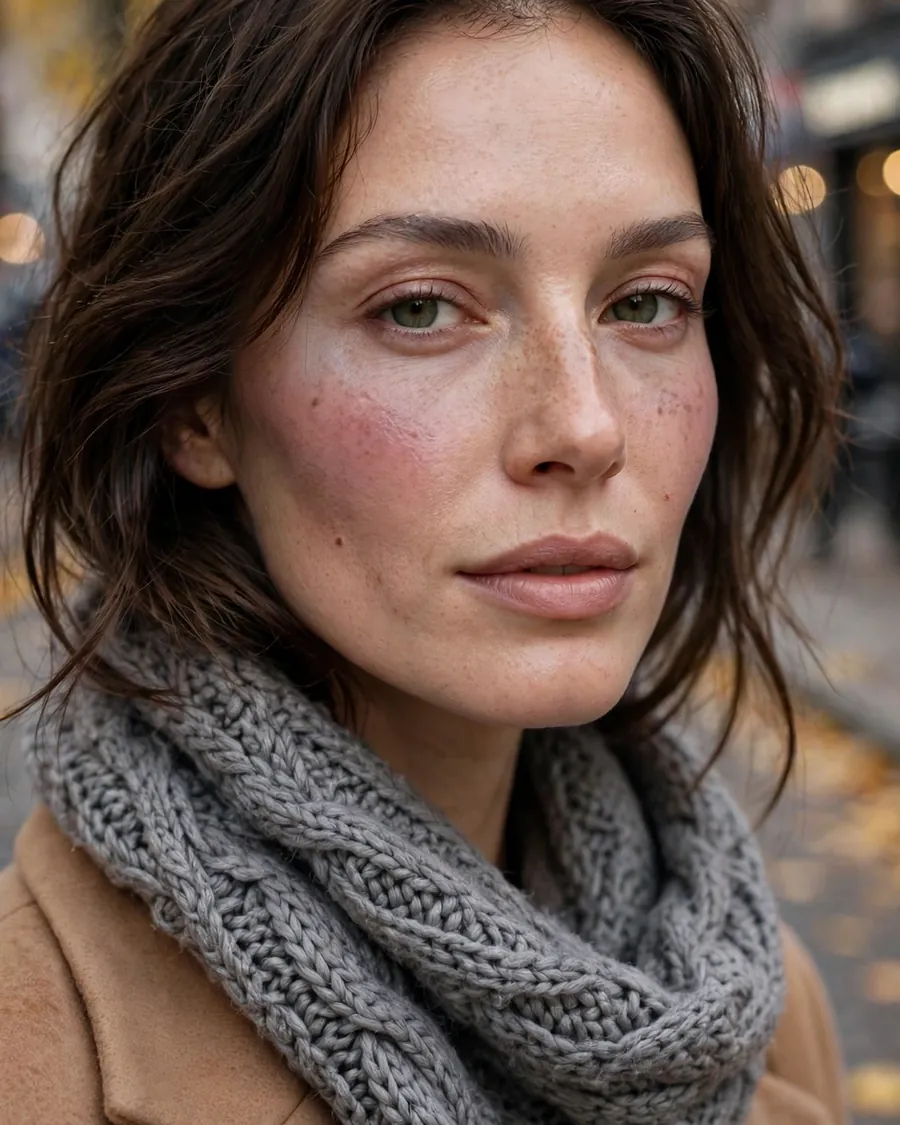
Cool-toned dusty rose suits fall layering because it sits comfortably next to grey, charcoal, navy, and camel without warming the whole outfit. Choose a dusty rose with a slight mauve-grey cast, apply it with a light hand, and pair it with a grey-brown brow and a cool nude lip. The look works under scarves and high collars, where only the upper cheek shows, so place the color a little higher than usual and blend well. It also suits people who find warm blush shades turn orange on them. In a wardrobe full of knits and coats, this cool muted rose is the makeup equivalent of a grey wool scarf: understated, versatile, and easy to wear repeatedly. Keep the base natural and the eye simple, and let the cool rose be the single note of color. Choose a cool nude lip liner first, then fill with lipstick, so the lip color stays muted beside the cheek.
How to Apply Dusty Rose Blush
Start with moisturized, non-tacky skin. Smile lightly to find the apples, then place color there first and blend outward and upward, never downward toward the jaw. For powder, use a fluffy brush and tap off excess before touching the face. For cream, use fingertips or a damp sponge and press rather than swipe, so you do not move foundation underneath. If you want a bolder rose for a night out, the berry blush looks linked above show a stronger alternative, but for a muted finish, stop while the color still looks like a flush. Set only if needed, and keep powder off the apples if you used cream.
Pro Tips
Choose your finish before your shade: matte lasts longest on oily skin, cream looks most natural on dry skin, and satin splits the difference. If the color looks strong indoors, it will likely look right in daylight, but if it looks strong in daylight, soften it with a clean brush. Keep one dusty rose powder and one cream in your bag through fall; between them, you cover sheer days, long days, and evenings. When a richer, deeper fall shade is what an event calls for, our cranberry makeup collection is the natural next step, while dusty rose remains the everyday muted choice.
FAQ
How do I choose the right dusty rose shade for my skin tone?
Fair skin suits a light, slightly pink-leaning dusty rose applied sheer. Medium skin takes a true muted rose at medium intensity. Deep skin needs a richer, more pigmented rose with a warm undertone so the color reads as rose rather than grey.
Should I use cream or powder dusty rose blush?
Use cream for dry skin or a skin-like satin finish, and powder for oily skin or longer wear.
Where should dusty rose blush go?
Place it on the apples of the cheeks first, then blend upward toward the temples. For a lifted effect, sweep it along the cheekbone. Avoid blending downward, which can drag the face down visually.
Does dusty rose blush suit fall outfits?
Yes. Its muted, desaturated tone pairs with camel, grey, navy, charcoal, and olive, which dominate fall wardrobes.
Final Thoughts
Dusty rose blush earns its place in a fall routine because it does so much while appearing to do so little. It warms the face, lifts the cheek, and ties eyes and lips together, all in a color that never demands attention for itself. Start with a sheer everyday wash, learn how much your skin tone needs, and then try draping or a monochrome version when you want something more considered. Save the looks that feel most like you, and let this muted rose become the base your fall makeup builds around.