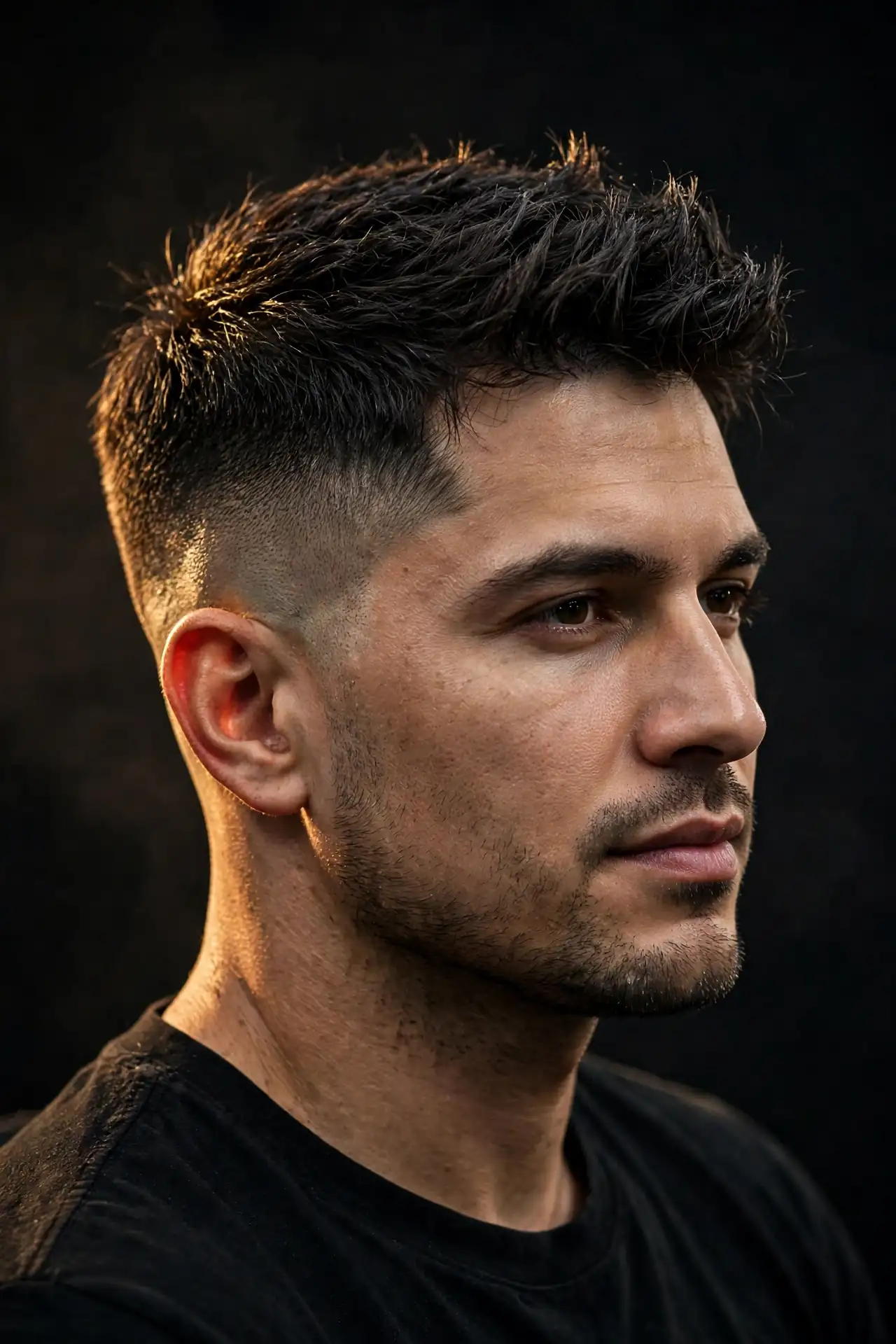
The taper fade is the quiet detail that decides how clean a haircut reads. Unlike a full skin fade that climbs high up the sides, a taper shortens the hair gradually around the temples and neckline, so the blend stays tight at the edges while the shape above stays full. Barbers recommend it constantly: it works on curls, coils, straight hair, and waves, and it buys an extra week between appointments because the grow-out is forgiving. The ten styles below cover every fade height and hair type, with the guard language, blending detail, and styling products to take to your barber — plus face-shape notes.
1. Low Taper Fade with a Textured Crop
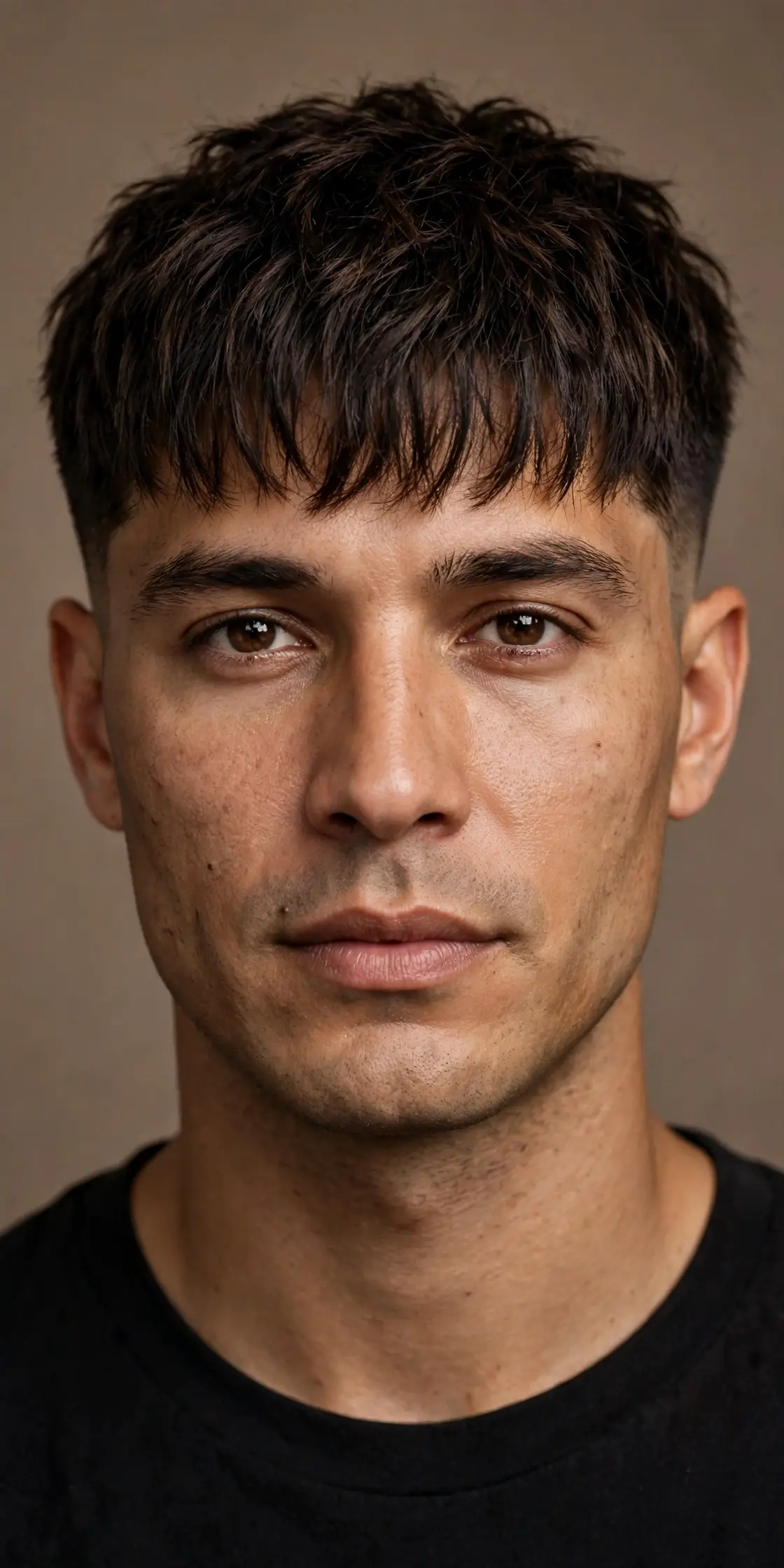
This is the entry point: a taper that only works the sideburns and neckline, fading from a #2 to a #0.5 at the edges, while everything above the ear stays full. The top is a textured crop — one to two inches of choppy, forward-moving length with a soft micro-fringe. Your barber point-cuts the top with scissors to break up bluntness, then tapers the perimeter so the cut looks finished from every angle. The contrast stays low, so the cut reads neat in an office and rugged enough on weekends. It flatters oval and longer faces: nothing adds vertical height, and the forward fringe visually shortens a tall forehead. Keep the fade line no higher than the sideburn, and bring a fringe photo — one barber’s “textured” is another’s buzz. Style with a pea-sized amount of Hanz de Fuko Claymation worked through dry hair, pushing everything forward with your fingertips. Personalize with a hard side part for a sharper feel, or a longer fringe for a softer fall.
2. Mid Taper Fade with a Wavy Quiff
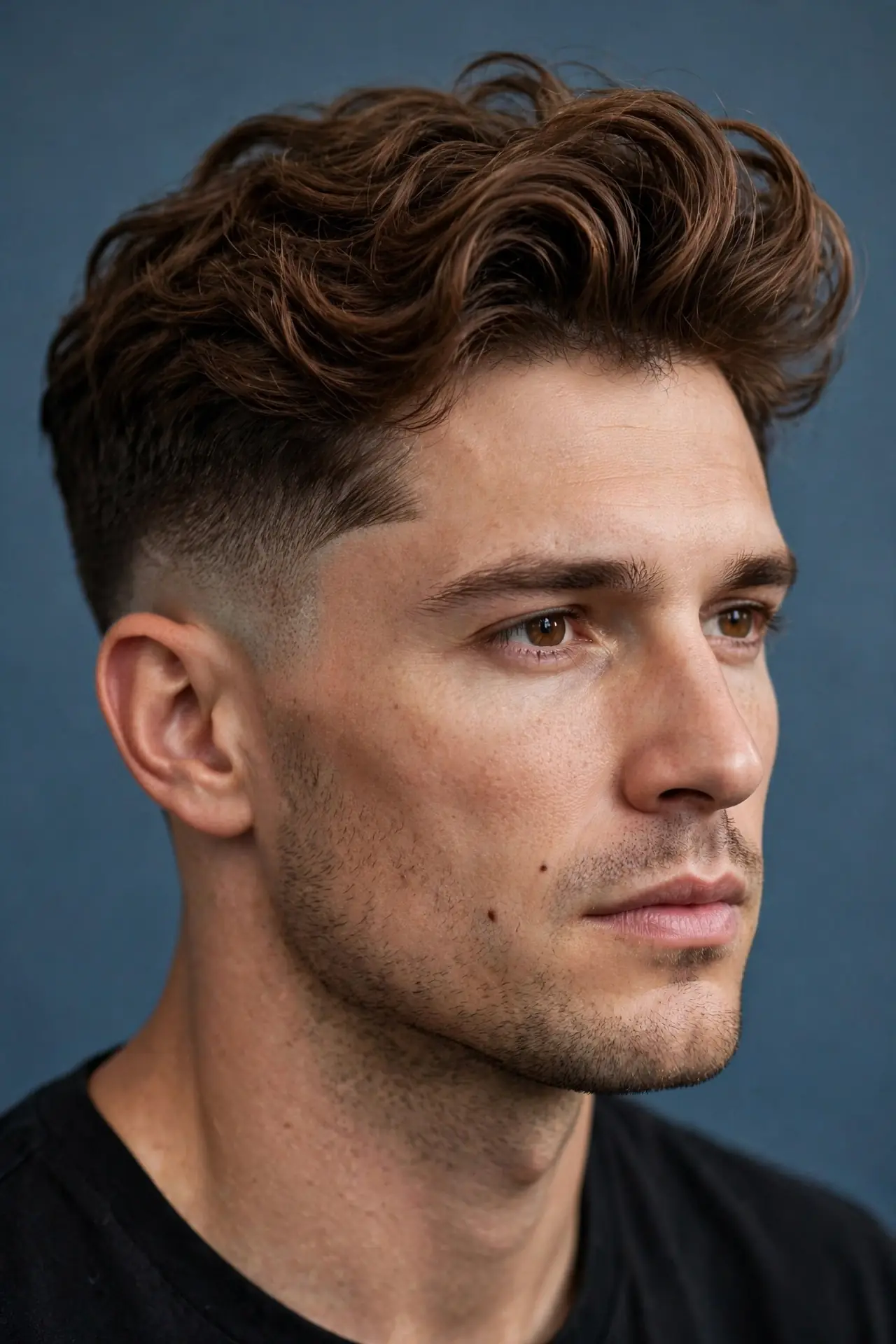
The mid taper is the balanced middle ground: the fade breaks at the middle of the temple, blending from a #1 up through a #2, with the sharpest point at the corner where temple meets top. On top, two to three inches of wavy hair get swept up and back into a quiff. The lift is the whole point — it lengthens round faces and gives straight or wavy hair a shape that holds all day. Your barber works clipper-over-comb through the transition, then sculpts the quiff dry. Ask for the corner (barbers call it the C-cut) kept defined rather than rounded — that crisp edge separates a deliberate quiff from a grown-out mess. Blow-dry upward with a vent brush, then work in Uppercut Deluxe Matte Clay so thick waves don’t look wet or helmet-like. Scale the height: an inch of lift for oval faces, two for rounder ones. Trim every three weeks — the temple blend shows wear first.
3. High Taper Fade with Slicked-Back Length
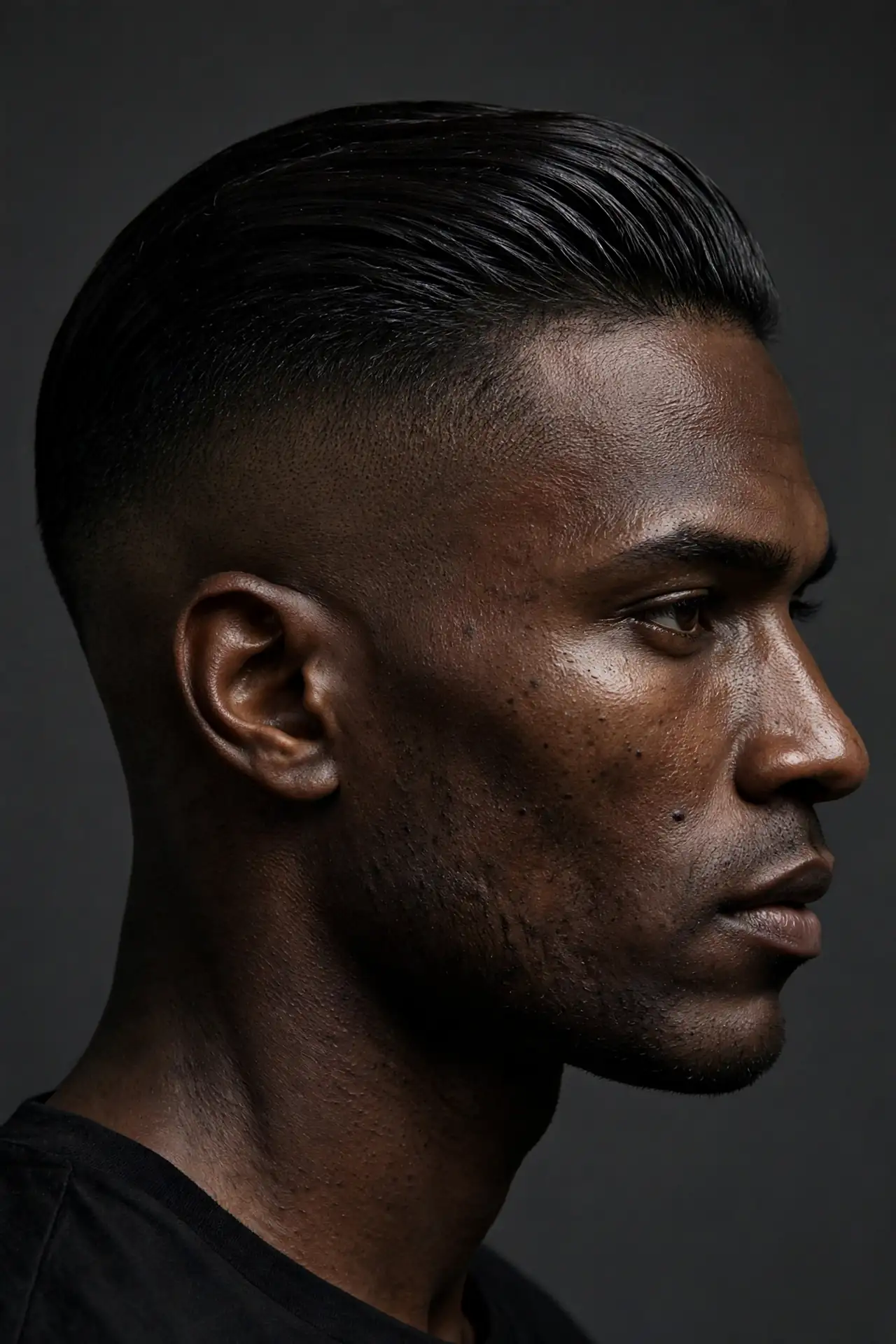
The high taper pushes the fade line toward the crown, skin-blended from a #0 up through a #1 and #2, so the sides go nearly bare while the top stays long — three to five inches slicked straight back. This is maximum contrast: the long top and shaved sides pull the eye upward along the skull. It flatters square faces especially well: the clean sides expose the jaw instead of competing with it. Grow-out shows fast, so this is a two-week barber cycle. Ask for scissor-cut length with weight left at the back (clipper-cut tops thin out and slick back poorly), and a skin taper finished with a straight razor at the hairline. Use classic pomade for a wet finish, or Baxter of California Clay Pomade for the modern matte version. Our overview of the men’s haircuts defining fall 2026 shows where the taper sits among the season’s big cuts; personalize with a hard part shaved at the temple.
4. Drop Taper Fade for Thick, Heavy Hair
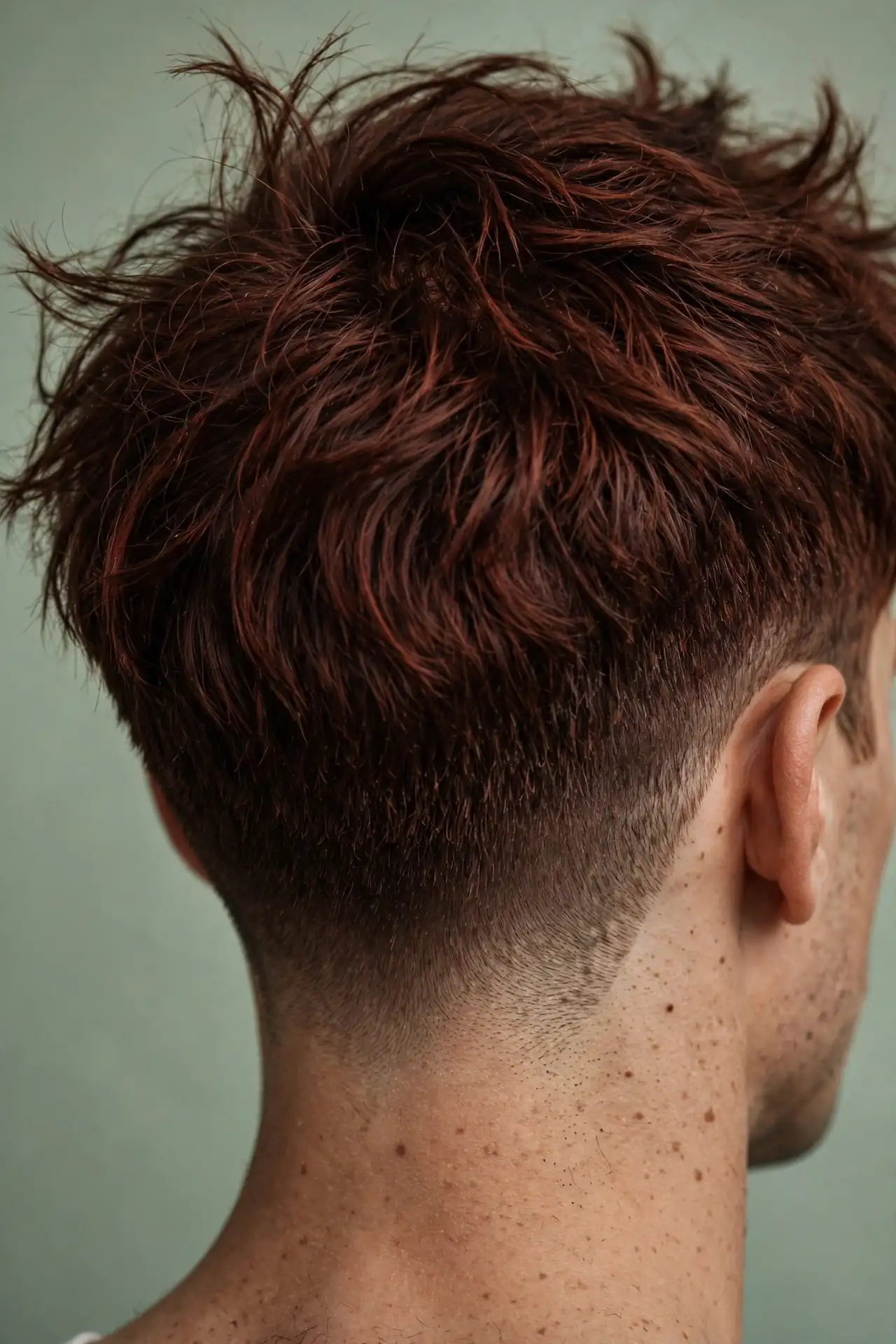
On thick hair, a straight-across fade line can look like a shelf. The drop taper solves it: instead of running horizontal, the fade arcs downward behind the ear, dipping toward the nape so the blend follows the skull’s natural curve. From the front it reads like any clean taper; from the side and back the arc shows its engineering. It suits oval and diamond faces, where a tight nape stops heavy hair widening the lower face. The top can be a messy fringe or forward crop — the drop taper’s job is structural, removing bulk where thick hair grows heaviest. Ask your barber to draw the arc with trimmers before committing with clippers, and to work clipper-over-comb through the transition so dense hair leaves no visible line. A #1.5 at the arc blending to a #0 at the neckline is the standard build. Style with sea salt spray on damp hair, then matte clay once dry — thick hair holds shape on its own. This needs the least daily effort of the whole list.
5. Curly Top Taper Fade

Curly hair and tapers are a natural match: the fade removes the side bulk that triangles curls out, while the top keeps the full curl pattern. It works for 2B to 3C curls — two to four inches on top, shaped dry and curl-by-curl so the barber cuts the pattern you actually wear. The taper runs low to mid, blended from a #1 to a #2, because going skin-tight against curls can look disconnected. For definition: scrunch curl cream into soaking hair, add a light gel cast, and dry untouched — breaking the cast leaves separated curls, not frizz. Heart-shaped faces benefit most: forehead volume balances a narrower chin. Keep the sides from ballooning if your face is round. Ask for the top shaped, never thinned with texturizing shears, which turn curls into a halo. A satin pillowcase or loose pineapple at night protects the pattern longer than any refresh product. Trim the curls every six weeks, the taper every three.
6. Coily Afro Taper Fade
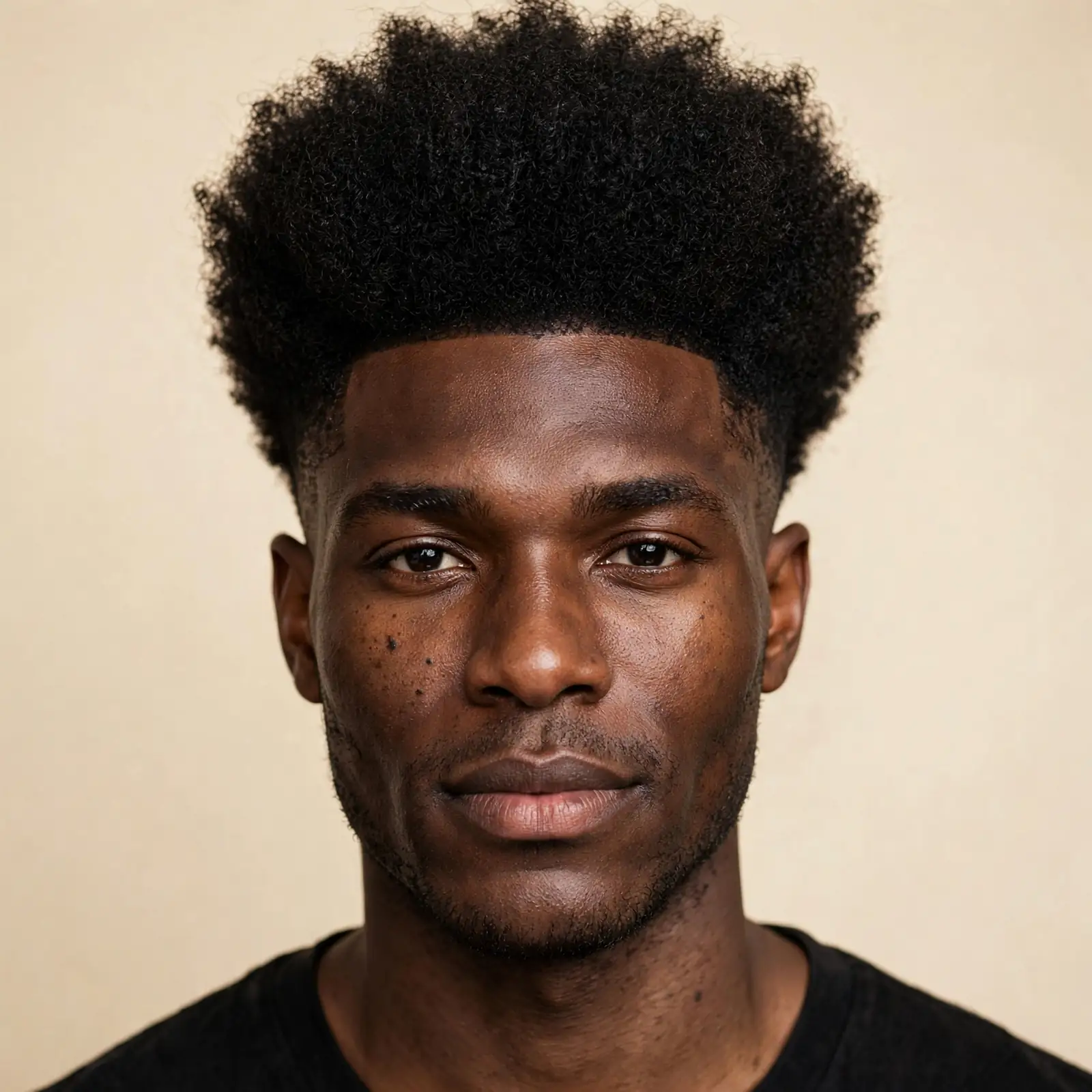
For tight 4C coils, the taper fade lets the top grow tall and sculptural while the temple and neckline melt into skin, so the silhouette stays sharp instead of spreading. The fade goes to a #0 at the edges, worked lever-open to closed for a seamless blend into the picked-out top. Length ranges from a short rounded afro to a high-top box — the taper is the frame, not the focus. A crisp lineup along the forehead and temples gives the architectural finish; without it, the contrast of tight fade and full coils can look unfinished. Moisture is non-negotiable: leave-in conditioner and light oil before picking, then a pick or sponge sets the shape in the morning. It suits square and round faces because crown height lengthens everything below. With a beard, ask for the connection tapered — not faded — at the cheek line so head and beard read as one design. Touch up the edges every ten days.
7. Edgar Taper with a Blunt Fringe
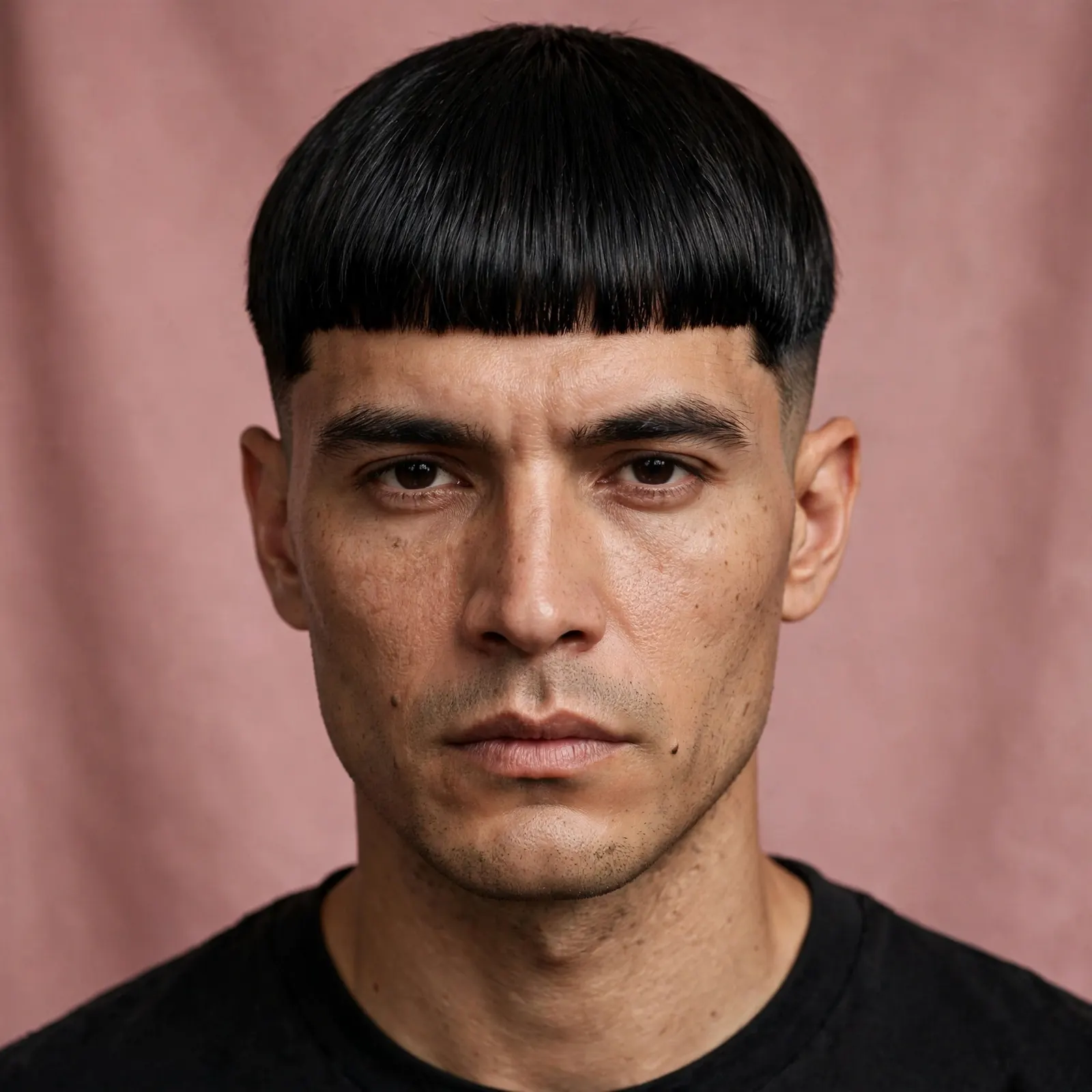
The Edgar is the streetwear icon of the taper family: a straight-across blunt fringe cut at or just above the brow, heavy and unapologetic, with tapered sides keeping the weight from spreading. Unlike the textured crop’s soft fringe, the Edgar’s is cut blunt and worn straight down, combed flat with matte paste so it reads as one line. It suits oval faces best and demands a strong, even hairline — the fringe exposes it completely. Your barber cuts the top with scissors to one even length (usually one to two inches), then tapers the sides from a #1 into the fringe’s corners so the transition looks engineered. Bring a photo and ask for the fringe cut dry if your hair has any wave — wet fringe springs up shorter. Styling takes ninety seconds: warm matte paste between palms, comb the fringe straight down and forward, done. The tradeoff: a blunt fringe shows oil by afternoon, so a midday blot or dry-shampoo dusting keeps it crisp. Edge-ups every two weeks hold the geometry.
8. Blowout Taper Fade
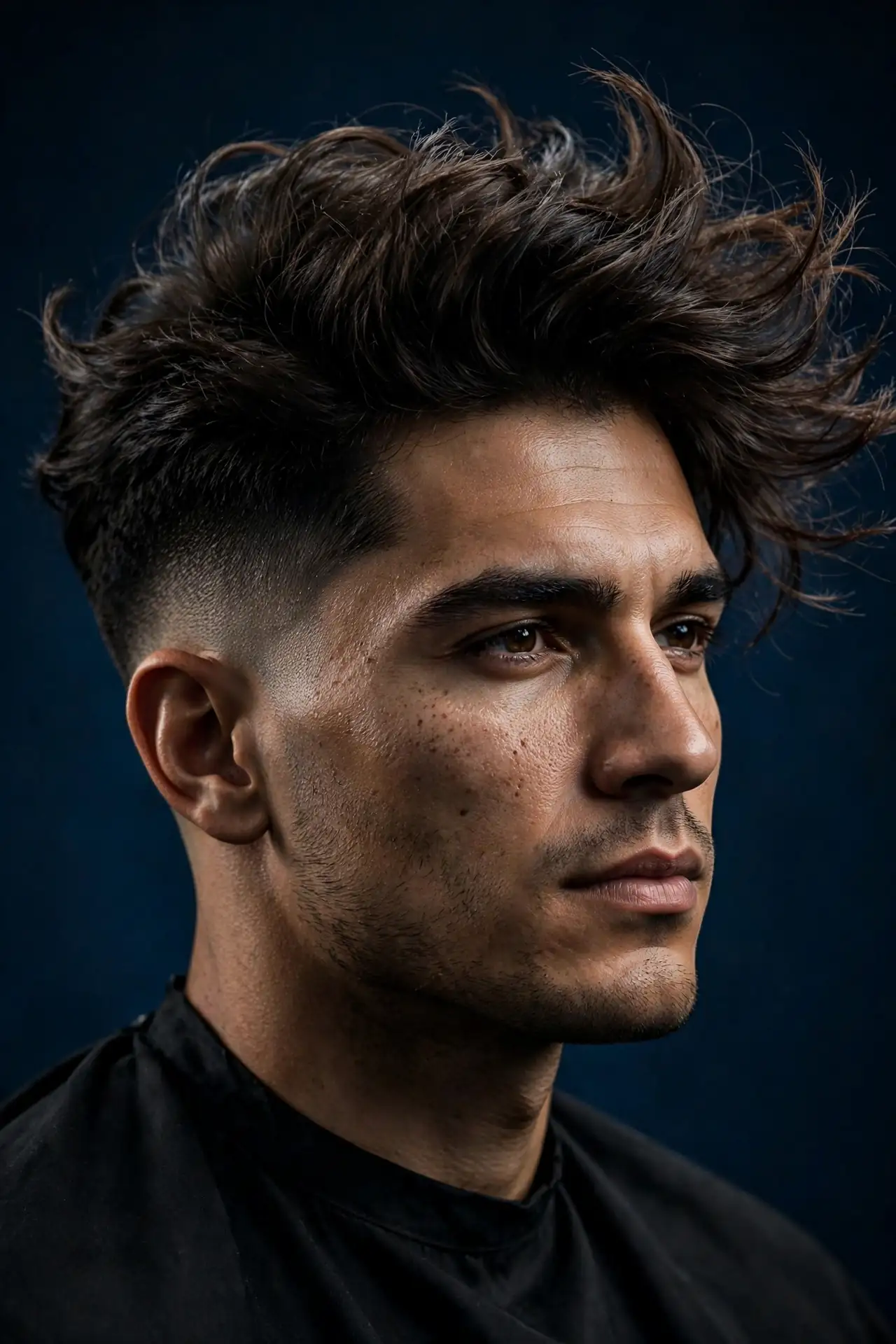
The blowout taper — the Brooklyn blowout — is the barbershop’s loudest style: the top is blown into big, wind-swept volume moving up and back, while the sides are tapered close so all the drama sits on top. Two to four inches of straight or wavy hair get round-brushed with a dryer, roots lifted first, ends flicked outward for a caught-in-motion finish. It suits thick hair best; fine hair needs sea salt spray for grit and matte clay to hold past noon. Round and square faces wear it well: the height lengthens and the swept-back direction opens the face. Ask for long layers on top (they create the separation that reads as movement) and a mid taper on the sides for a clean base. The commitment is five minutes with a dryer every morning — no shortcuts — so this is the cut for someone who enjoys the ritual. Skip heavy oils entirely; they collapse the lift this style is built on. A two-week taper cleanup keeps the sides from swallowing the shape.
9. Taper Fade with a Crispy Lineup
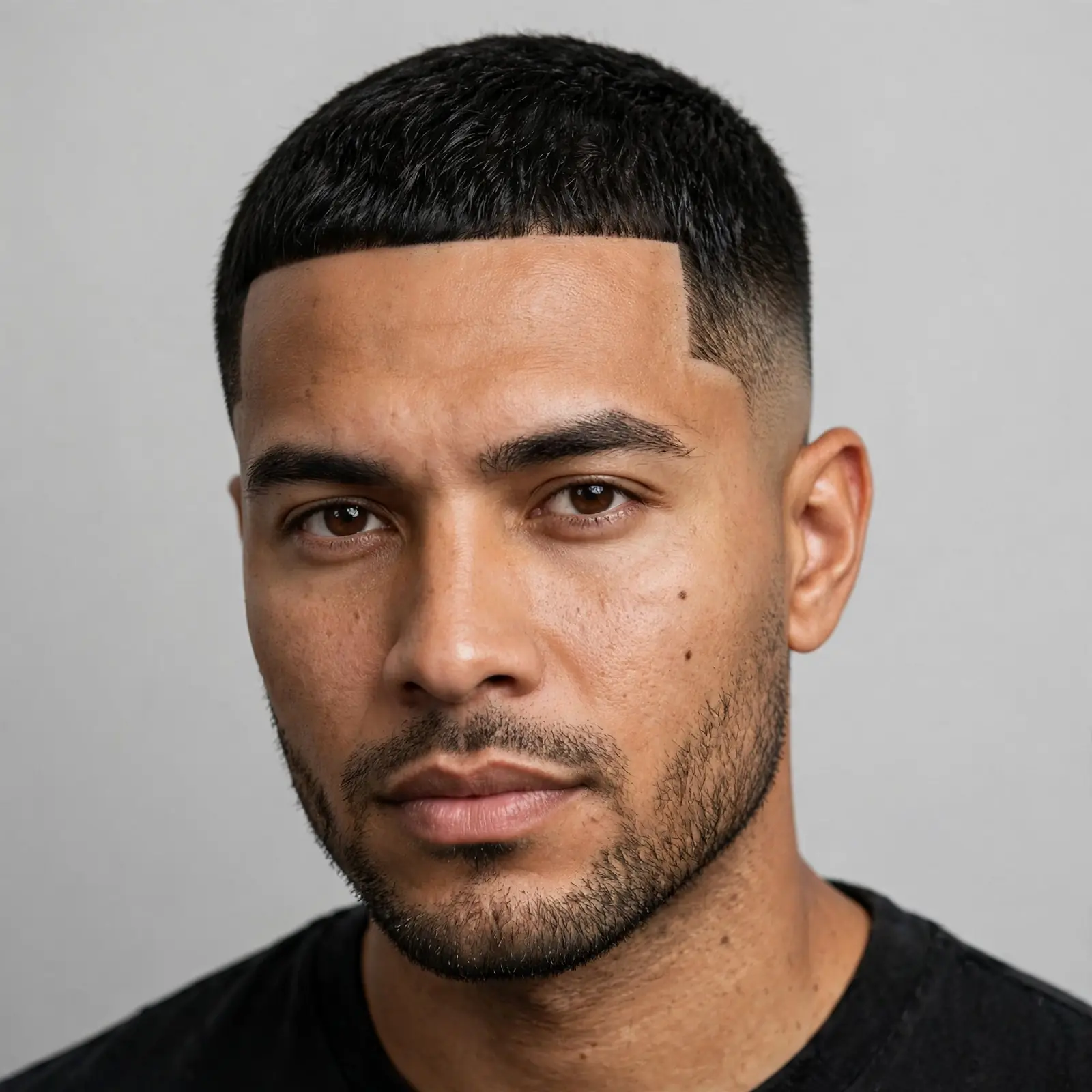
Sometimes the taper is the supporting actor and the lineup is the star. This style is built around a razor-crisp edge-up: the forehead hairline squared with a trimmer, temple corners sharpened, the neckline tapered clean — the geometry does the talking. The fade itself can be low, mid, or high; what matters is that every line is deliberate. It suits nearly every face shape: the crispness reads as grooming rather than fashion, which is why it’s the professional’s pick. Judge the shop on the finishing work: trimmer outline, then a straight razor on the hairline, five unhurried minutes. An edge-up holds about ten days, so budget a touch-up between full cuts — and never let a barber push your hairline back to “sharpen” it; a receded line is permanent. At home, a personal trimmer keeps the neckline and sideburns tidy between visits. With a beard, ask for the fade blended through the cheek line so face and head read as one design.
10. Taper Fade for Fine, Straight Hair
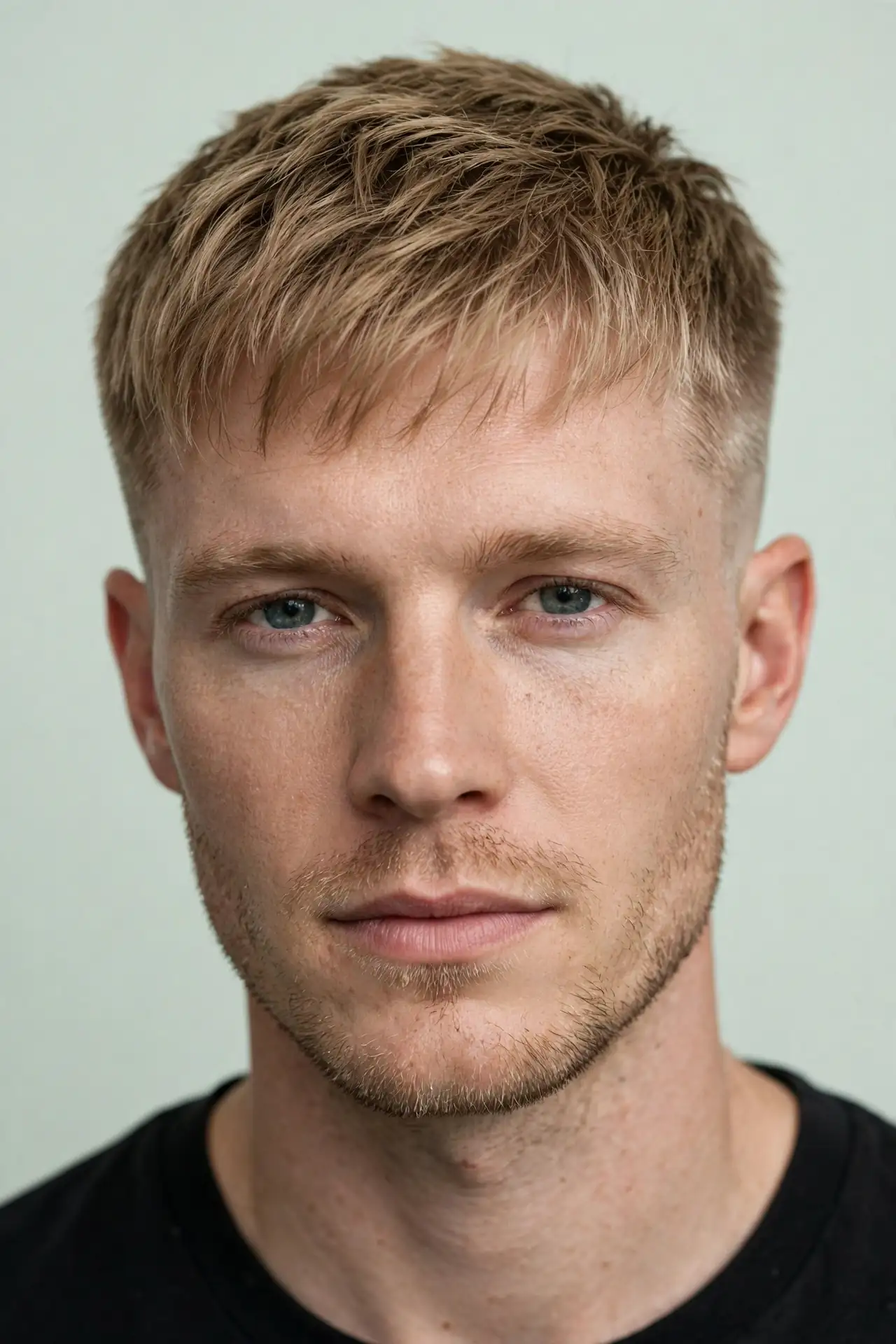
Fine hair needs a taper strategy, not a taper copy: the goal is keeping side density while still getting clean edges. A low taper is the move — #2 at the sides blended to a #1 at the neckline, never skin, so the sides keep their coverage. The top stays short (one to two inches), point-cut for texture, because long fine hair lies flat and exposes the scalp. Matte product is the trick: Hanz de Fuko Claymation or Layrite Natural Matte Cream absorbs light, making hair read thicker than any shine product. Blow-dry against the growth direction for root lift — fine hair styled flat looks half as dense as it is. Oblong faces should favor this low build; a high taper plus a tall top stretches an already long face further. Ask your barber to cut with the hair’s natural fall and skip heavy layering, which removes the little density you have. The taper grows out invisibly and the top needs only thirty seconds of product.
How to Ask Your Barber for a Taper Fade
Walk in with three decisions made: the fade height (low, mid, high, or drop), the guard language, and a photo. Say “taper, not skin fade” explicitly — a taper keeps hair at the edges and blends gradually, while a skin fade shaves to bare skin and climbs higher. Name your guards: a #1 to #2 blend is the everyday build, a #0 to #1 is the sharper one. Point to where the fade line should break — the sideburn, the temple midpoint, or up near the crown — since barbers default to their own habit. For textured, curly, or coily tops, ask for a dry cut — hair cut wet springs up shorter. Finally, settle the neckline: tapered grows out softly, blocked looks sharper but shows regrowth fast. Agree on all of it before the clippers come out.
Pro Tips for Keeping a Taper Fade Sharp
First, schedule taper-only touch-ups between full cuts — most shops do a cheap two-week edge and neckline cleanup, and it’s what keeps a fade fresh. Second, wash with a sulfate-free shampoo and skip daily washing if your hair is curly or coily; faded sides dry out fast. Third, match product finish to your hair: matte clay for fine or thick straight hair, cream or light gel for curls, never heavy wax on a fresh taper. Fourth, own a personal trimmer for the neckline and sideburns; five minutes a week doubles the clean window. Finally, sleep on a satin pillowcase if your top is curly or blown out — cotton flattens overnight volume and forces a morning restyle.
Frequently Asked Questions
What is the difference between a taper fade and a skin fade?
A taper shortens hair gradually around the temples and neckline while leaving length at the edges; a skin fade blends to bare skin and climbs higher. Tapers grow out more gracefully.
How often does a taper fade need a touch-up?
The fade stays sharp two to three weeks. High tapers need attention at two weeks; low tapers stretch to four. Book a quick taper-only cleanup between full cuts.
Will a taper fade work on fine or thinning hair?
Yes — with a low taper that preserves side density and matte products that absorb light. Keep the top short and textured; avoid skin-tight fades that expose the scalp.
Can I get a taper fade if I have a beard?
Absolutely — ask for the fade blended through the beard’s cheek line so the two connect. A disconnected beard and fade looks like two separate haircuts; a blended one reads as one design.
Final Thoughts
The right taper fade is mostly a question of height and honest maintenance. Choose the low taper for a first fade, the mid taper for the everyday sweet spot, the high or drop taper when the fade should be the feature, and the texture versions when your hair has its own agenda. Bring photos, name your guards, and pick a version whose upkeep you’ll actually keep. A maintained fade beats a sharper one you let go.
You may also like: 10 Men’s Fall Outfits Worth Trying in 2026